
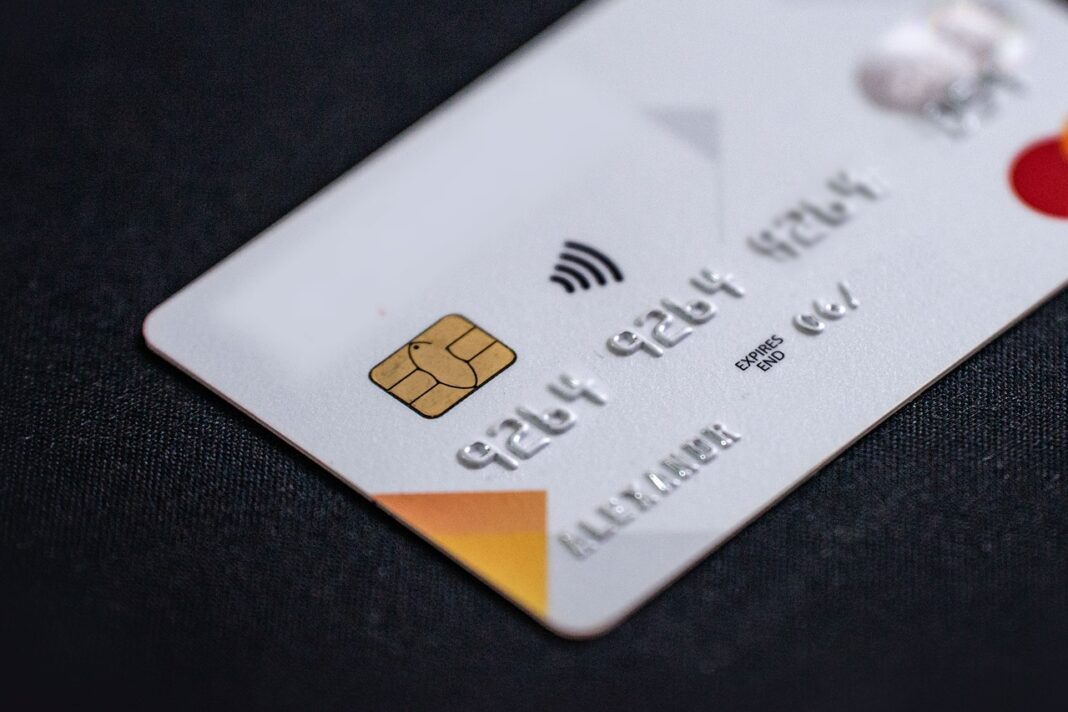

In a world that constantly encourages us to consume, spend, and acquire, the idea of deliberately hitting pause on our purchasing habits might seem radical. Yet, more and more people are discovering the profound benefits of the no-spend challenge. Far more than just a temporary financial detox, this intentional period of restricted spending can be a powerful catalyst for transforming your relationship with money, fostering creativity, and uncovering what truly brings value to your life. Are you ready to reset your financial habits and unlock new levels of financial awareness?
What Exactly is a No-Spend Challenge?
A no-spend challenge is a predetermined period during which you intentionally limit or eliminate all non-essential spending. It’s a conscious decision to pause discretionary purchases, forcing you to rely on what you already have and re-evaluate your spending triggers. This challenge isn’t about deprivation; it’s about empowerment, mindfulness, and redirecting your financial resources towards your most important goals.
Defining Your Challenge Parameters
The beauty of a no-spend challenge lies in its flexibility. You get to set the rules based on your financial situation and objectives. Here are common ways people structure their challenges:
- Duration:
- Daily: A single day without spending can be a great starting point.
- Weekly: One week allows you to experience tangible shifts.
- Monthly: A “no-spend month” is popular for significant impact and habit formation.
- Longer stretches: Some even commit to a quarter or a full year, with stricter rules.
- Scope:
- Complete Ban: The most rigorous approach, only allowing essential bills (rent, utilities, loan payments).
- Category-Specific: You might choose to stop spending on dining out, new clothes, entertainment, or impulse buys, while allowing other necessities.
- “Needs Only”: Focuses on only purchasing items absolutely essential for survival and well-being (groceries, medicine, transportation for work).
What’s Typically Allowed vs. Not Allowed?
While rules are personal, here’s a general guide:
- Allowed (Essentials):
- Rent/Mortgage payments
- Utilities (electricity, water, internet)
- Debt payments (student loans, credit cards)
- Groceries (often limited to what you don’t already have)
- Transportation for work/school
- Medical necessities and prescriptions
- Savings contributions (if already budgeted)
- Not Allowed (Non-Essentials):
- Dining out, takeout, or coffee shop purchases
- New clothing or accessories
- Entertainment (movies, concerts, streaming subscriptions you don’t use)
- Impulse buys at the store
- Beauty products (unless essential and out of stock)
- Decor items or home improvements
- Gifts (unless absolutely unavoidable and planned)
Actionable Takeaway: Before starting, clearly define your challenge’s duration and what specific spending categories are off-limits. Write them down and stick to them!
The Benefits Beyond Your Bank Account
While the most obvious benefit of a no-spend challenge is the boost to your savings, its impact extends far beyond your financial ledger. It’s a holistic experience that can lead to profound personal growth and improved well-being.
Financial Empowerment and Savings Acceleration
This is where the challenge truly shines in measurable ways:
- Significant Savings: Imagine redirecting all your discretionary spending – daily coffees, impulse online purchases, weekend outings – into your savings or debt repayment. Many participants report saving hundreds, even thousands, in just a month. This can build your emergency fund faster or chip away at high-interest debt.
- Debt Reduction: Every dollar not spent on non-essentials can be strategically used to pay down credit card balances, student loans, or personal loans, accelerating your path to financial freedom.
- Improved Budgeting Skills: You’ll gain a much clearer understanding of where your money actually goes. This awareness is invaluable for creating and sticking to a realistic budget post-challenge.
- Emergency Fund Boost: A no-spend period is an excellent way to quickly build or replenish your emergency fund, providing peace of mind and financial security.
Enhanced Mindfulness and Personal Growth
The non-monetary benefits often prove to be the most surprising and impactful:
- Breaking Bad Habits: A no-spend challenge forces you to confront and break impulse buying, emotional spending, and comparison shopping habits. It creates space to develop healthier coping mechanisms.
- Increased Creativity: Without the option to buy, you’ll find innovative ways to entertain yourself, prepare meals, and solve problems using what you already have. This could mean rediscovering old hobbies, cooking from your pantry, or finding free local activities.
- Appreciation for What You Have: By stepping away from the constant pursuit of new things, you’ll start to appreciate your existing possessions, experiences, and relationships more deeply.
- Reduced Stress: Less spending can mean less financial worry. Furthermore, breaking free from the consumer cycle can reduce mental clutter and decision fatigue.
- Environmental Impact: Consuming less means a smaller carbon footprint, aligning your financial goals with sustainable living practices.
Actionable Takeaway: List out your primary financial goal (e.g., save $500, pay an extra $200 on debt) and at least one personal growth goal (e.g., read 3 books, try 5 new recipes from scratch) before you begin. This holistic approach will keep you motivated.
How to Successfully Plan Your No-Spend Challenge
Success in a no-spend challenge isn’t about willpower alone; it’s about meticulous planning and strategic preparation. A well-thought-out plan can turn a daunting task into an achievable and even enjoyable experience.
Defining Your “Why” and Goals
Before you restrict your spending, you need a compelling reason. Your “why” will be your anchor when temptations arise.
- Be Specific: Instead of “I want to save money,” try “I want to save $750 for a new appliance repair fund” or “I want to pay an extra $300 on my credit card debt this month.”
- Visualize the Outcome: Imagine the relief of having that emergency fund, the satisfaction of seeing your debt decrease, or the joy of achieving another financial milestone.
- Communicate Your Goals: Share your “why” with a trusted friend or family member for accountability and support.
Example: Sarah decided on a no-spend month to save enough for a down payment on a new laptop she needed for freelance work. Her “why” was tangible and motivated her to resist buying takeout coffee.
Setting Your Rules and Boundaries
Clarity prevents confusion and strengthens your resolve.
- Write Them Down: Detail what’s allowed and what’s not. This avoids ambiguous situations later.
- Identify Your “Non-Negotiables”: These are true essentials that cannot be cut (e.g., life-saving medication, mandatory car repair).
- Consider “Allowance” for Extreme Cases: Some people budget a small, fixed allowance for true emergencies or a small indulgence to prevent burnout. For example, $10 for an emergency coffee on a particularly rough day.
- Anticipate Exceptions: What if a friend’s birthday comes up? Decide in advance if you’ll re-gift, make a handmade card, or allow a pre-set minimal gift budget.
Example: John’s rule sheet stated: “No restaurant meals or coffee. Groceries allowed, but only from pre-planned list. One essential household item purchase (e.g., lightbulb) allowed if truly needed. No new clothes or entertainment tickets.”
Preparing for Success
The days leading up to your challenge are crucial for setting yourself up for victory.
- Pantry and Fridge Audit: Go through your food supplies. Plan meals around what you already have to minimize grocery spending. Create a meal plan for the entire duration.
- Household Inventory: Check toiletries, cleaning supplies, and other consumables. Stock up on absolute essentials if you’re running low, as these often count as “allowed” within a grocery budget.
- Unsubscribe and Unfollow: Opt out of marketing emails and unfollow tempting online stores on social media to reduce exposure to ads.
- Plan Free Entertainment: Brainstorm activities that don’t cost money: hiking, library visits, board games, visiting parks, having potlucks with friends, or starting a new free hobby.
- Inform Your Social Circle: Let friends and family know about your challenge so they can support you and plan free activities.
Actionable Takeaway: Dedicate an afternoon to “pre-game” your challenge. Plan your meals, list free activities, and purge your inbox of marketing emails. This proactive step will drastically increase your chances of success.
Navigating Common Obstacles and Staying Motivated
Even with the best intentions, challenges will arise. Knowing how to anticipate and overcome them is key to successfully completing your no-spend period and integrating its lessons into your long-term financial habits.
Handling Temptations and Unexpected Needs
Life doesn’t stop just because you’re on a no-spend challenge. Here’s how to manage:
- Identify Triggers: Are you an emotional shopper? Do you splurge when bored, stressed, or tired? Recognize these patterns and develop alternative, free coping mechanisms (e.g., meditation, exercise, calling a friend, a creative hobby).
- “Wait 24/48 Hours” Rule: When you feel the urge to buy something non-essential, tell yourself you’ll wait a day or two. Often, the urge passes, and you realize you don’t really need it.
- Emergency Fund for True Emergencies: If an absolute necessity arises (e.g., car repair, essential home repair), use your emergency fund. This is why you save! Don’t feel like you “failed” the challenge; you wisely used your resources.
- Utilize Free Resources:
- Libraries: For books, movies, audiobooks, and sometimes even tools or museum passes.
- Community Events: Look for free festivals, concerts, or workshops.
- DIY and Repurpose: Can you fix something yourself? Can you repurpose an item you already own instead of buying new?
Example: Maria found herself constantly wanting to buy new craft supplies. Instead, she challenged herself to use up all the yarn and fabric scraps she already owned, leading to several new projects and no new spending.
Maintaining Social Connections
Your social life doesn’t have to suffer during a no-spend challenge. It might even improve!
- Communicate Openly: Explain your challenge to friends. Most will be supportive and understanding.
- Suggest Free or Low-Cost Activities:
- Host a potluck or game night at home.
- Go for a walk, hike, or bike ride together.
- Have a picnic in the park.
- Visit a free museum or art gallery.
- Organize a movie night at home with shared snacks.
- Be Flexible, If Needed: If a very important social event involves a small cost you can’t avoid, decide if it’s worth a planned exception. Perhaps you can suggest splitting a cheaper meal or just ordering a drink.
Example: Instead of going out to a restaurant, David invited friends over for a board game night, where everyone brought a dish to share, making it a fun and affordable evening.
Tracking Progress and Celebrating Small Wins
Seeing your progress is a powerful motivator.
- Visual Tracker: Use a calendar to mark off each successful no-spend day. Seeing a streak can be incredibly satisfying.
- Financial Tracking: Monitor the money you’re saving. Create a separate savings account for your no-spend challenge funds so you can watch it grow.
- Journaling: Reflect on your experiences, temptations overcome, and new discoveries. This helps solidify lessons learned.
- Non-Monetary Rewards: At significant milestones (e.g., one week, two weeks), reward yourself with something free: a long bath, an hour with a good book, a movie night at home, or an extra-long walk in nature.
Actionable Takeaway: Download a budgeting app or create a simple spreadsheet to track your “saved” money. Visually seeing your progress will provide the motivation needed to push through tough moments.
Life After the Challenge: Sustainable Habits for Long-Term Success
Completing a no-spend challenge is a fantastic achievement, but the true victory lies in integrating the lessons learned into your everyday life. This isn’t just a temporary fix; it’s a foundation for lasting financial well-being.
Integrating Learned Habits into Daily Life
Don’t let all your hard work go to waste. Identify the positive habits you developed and commit to keeping them:
- Conscious Consumption: Before every purchase, ask yourself: “Do I truly need this? Can I borrow it? Can I make do with what I have? Does it align with my values and financial goals?”
- Meal Planning and Home Cooking: Continue to plan your meals, cook from scratch, and utilize leftovers. This is one of the biggest money-savers.
- Seeking Free Entertainment: Make free activities a regular part of your social and personal life. Libraries, parks, and community events offer endless opportunities.
- Delayed Gratification: Practice the “wait 24/48 hours” rule for discretionary purchases. This helps prevent impulse buys.
- Utilizing Your Resources: Regularly assess what you already own before considering a new purchase.
Example: After her no-spend month, Sarah realized she genuinely enjoyed cooking at home and started packing her lunch for work almost every day, saving her hundreds of dollars annually on takeout.
Creating a Sustainable, Mindful Budget
Your no-spend challenge has given you invaluable insights into your spending patterns. Now, use that knowledge to create a realistic and effective budget.
- Review Your Challenge Spending: Look at where you did spend money (essentials) and where you would have spent money (non-essentials).
- Allocate Your “Saved” Funds: Decide where your newly freed-up money will go. Continue to prioritize savings, debt repayment, or investments.
- Build in “Guilt-Free” Spending: To avoid feeling deprived, budget a small amount for discretionary spending on things you genuinely value. This could be a monthly coffee budget, a subscription to a service you love, or a small entertainment fund. This makes the budget sustainable.
- Regular Budget Reviews: Make it a habit to review your budget weekly or monthly and adjust as needed.
Example: John discovered he could comfortably save $400 a month by continuing some of his no-spend habits. He now budgets $50 for dining out with friends and automatically directs $350 to his investment account each month.
The Power of Repetition and Continuous Learning
Consider making the no-spend challenge a regular practice, perhaps a “no-spend week” every quarter or a “no-spend month” once a year. Each time, you’ll refine your habits and deepen your financial awareness. The goal is not permanent austerity, but rather permanent mindful spending.
Actionable Takeaway: Schedule a budget review for the week after your challenge ends. Incorporate one or two key habits you learned into your regular financial plan, and consider designating a small “fun money” budget to prevent burnout.
Conclusion
A no-spend challenge is more than just a temporary pause on purchases; it’s a profound journey of self-discovery and financial empowerment. By intentionally restricting your spending, even for a short period, you gain invaluable insights into your habits, build significant savings, reduce debt, and foster a deeper appreciation for what truly matters in your life. It equips you with the tools and mindset to live more mindfully, creatively, and financially secure.
Are you ready to redefine your relationship with money, uncover hidden resources, and take a powerful step towards true financial freedom? Plan your challenge today, embrace the journey, and prepare to be amazed by the lasting positive impact it will have on your life.

