
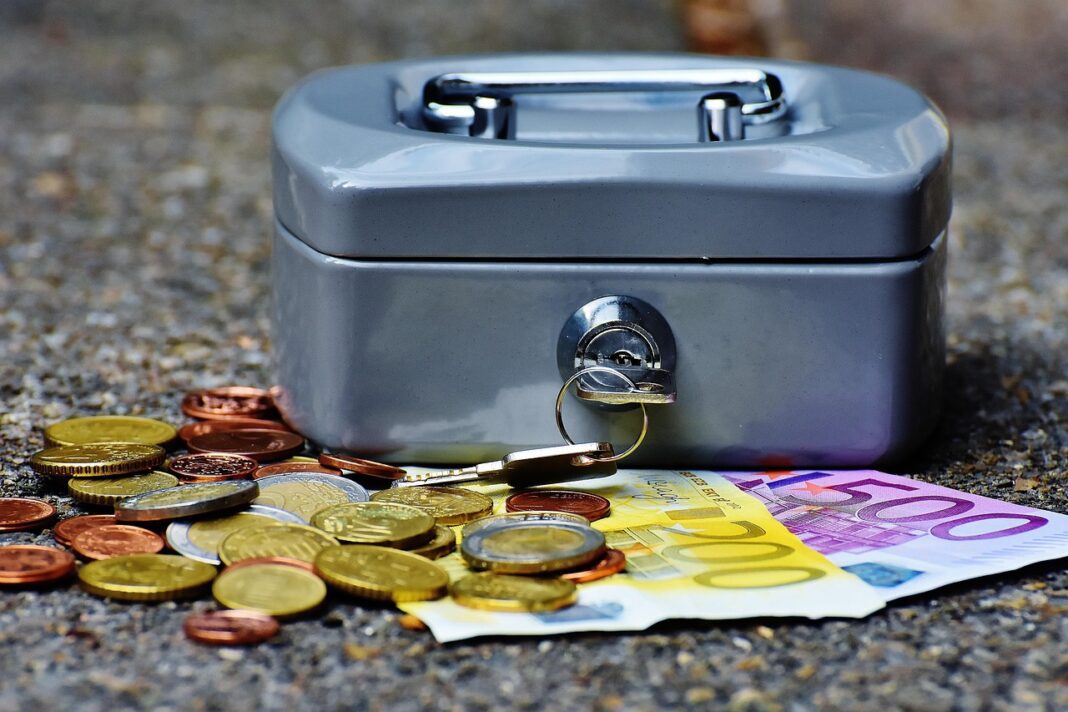

In a world increasingly dominated by digital transactions, the tangible act of spending often feels abstract, leaving many wondering where their hard-earned money truly goes. The ease of swiping a card or tapping a phone can lead to invisible overspending, hindering financial goals and creating stress. But what if there was a simple, yet incredibly powerful, system to bring clarity, control, and consciousness back to your spending? Enter cash envelopes – a time-tested budgeting method making a significant comeback, empowering individuals to take a firm grip on their finances and pave the way for true financial freedom.
What Are Cash Envelopes and How Do They Work?
The cash envelope system is a straightforward yet highly effective budgeting strategy that involves allocating physical cash to specific spending categories for a given period, typically a week or a month. Instead of relying on credit cards, debit cards, or digital tracking apps for daily discretionary spending, you use actual cash, divided into separate envelopes. This method forces a direct, visual connection to your money, transforming abstract numbers into tangible resources.
The Core Concept: Allocating Your Resources
At its heart, the cash envelope system operates on the principle of pre-allocating funds. Before you spend a dime, you decide exactly how much money you have for various expenses and then physically set that money aside. This proactive approach prevents impulsive spending and ensures every dollar has a job.
- Budgeting Simplified: You identify your monthly income and expenses. Fixed expenses (rent, mortgage, loan payments) are usually paid directly from your bank account. Variable expenses, which are prone to overspending (like groceries, dining out, entertainment, gas, personal care), become the focus of your cash envelopes.
- Physical Separation: Once you’ve determined the budget for each variable category, you withdraw the total cash and divide it into individual envelopes labeled with those categories.
- Spending Limit: When you go to make a purchase within a category, you only use the cash from that specific envelope. When the cash in an envelope is gone, spending for that category stops until the next budgeting cycle.
This system, famously popularized by financial experts like Dave Ramsey, isn’t new, but its timeless effectiveness lies in its simplicity and the powerful psychological impact it has on spending behavior.
Setting Up Your Cash Envelope System
Getting started with cash envelopes is simpler than you might think. Here’s a step-by-step guide to implement this budgeting strategy:
- Create Your Budget: First, understand your total income and list all your expenses. Differentiate between fixed expenses (consistent monthly bills) and variable expenses (expenses that fluctuate). Focus on the variable ones for cash envelopes.
- Identify Cash Categories: Pinpoint the areas where you tend to overspend or want more control. Common categories include:
- Groceries
- Dining Out / Restaurants
- Entertainment
- Gas / Transportation
- Personal Care / Haircuts
- Miscellaneous / Fun Money
- Assign Dollar Amounts: Based on your budget, decide how much cash to allocate to each category for the upcoming week or month. Be realistic initially, and adjust as you learn.
- Withdraw and Fill: Withdraw the total amount of cash needed from your bank account. Label your envelopes clearly and place the correct amount of cash into each one.
- Commit and Spend: Only use the cash from the relevant envelope for purchases in that category. When an envelope is empty, stop spending for that category until you refill it in the next budgeting cycle.
For example, if you budget $400 for groceries for the month, you put $400 cash into your “Groceries” envelope. When you shop, you pay with that cash. If you only have $20 left and your cart totals $25, you either put an item back or wait until the next funding period.
The Psychology Behind Cash Envelope Budgeting
The true genius of the cash envelope system lies not just in its structure, but in the profound psychological shifts it encourages. In an age where money often feels invisible, this method brings it back into sharp, tangible focus, fundamentally altering how we perceive and interact with our finances.
Tangible Money vs. Digital Abstraction
One of the most powerful aspects of cash envelopes is the return to using physical money. Research shows that spending physical cash feels different – and often more painful – than swiping a card or clicking a button. This “pain of paying” is crucial for curbing impulsive spending.
- Increased Awareness: Handing over physical bills forces you to acknowledge the transaction. You see the money leaving your hand, creating a more memorable and impactful experience than a quick card swipe.
- Reduced Impulse Buys: When your budget for “fun money” is a stack of $20 bills in an envelope, you’re less likely to mindlessly add an extra item to your cart. The visible depletion of funds acts as a natural brake.
- Emotional Connection: There’s a different emotional connection to physical money. You’ve worked for that cash, and seeing it disappear makes you more considerate of its value and how you choose to spend it.
This tangible interaction with money transforms abstract budget numbers into a concrete reality, fostering a sense of accountability with every purchase.
Enhanced Mindfulness and Decision-Making
By making spending a more conscious act, cash envelopes cultivate greater financial mindfulness. This leads to more deliberate and informed spending decisions, aligning your purchases with your true priorities.
- Clear Limits: Each envelope clearly defines your spending limit for a category. There’s no ambiguity, no guessing how much you have left. This clarity empowers better choices.
- Prioritization: When faced with a dwindling “dining out” envelope, you’re forced to prioritize. Do you really want that expensive meal out, or would you prefer to save the remaining cash for a more important social event later in the month?
- Delayed Gratification: The system naturally encourages delayed gratification. Knowing you only have a certain amount until payday teaches patience and helps you distinguish between wants and needs. This skill is invaluable for long-term financial health.
This shift from unconscious spending to mindful decision-making is a cornerstone of building lasting financial discipline.
The Proven Benefits of the Cash Envelope System
Beyond the psychological shifts, implementing a cash envelope system yields concrete, measurable benefits that can dramatically improve your financial well-being. From halting overspending to accelerating debt payoff, its advantages are far-reaching and impactful.
Curbing Overspending Effectively
One of the most immediate and powerful benefits of cash envelopes is its ability to halt excessive spending in its tracks. It creates an undeniable boundary that digital transactions often obscure.
- Hard Stops: Unlike credit cards, where spending limits can feel arbitrary and easily exceeded, cash envelopes provide a hard stop. When the envelope is empty, the spending stops. This simple rule is incredibly effective for categories like groceries, entertainment, and dining out.
- Reduced Debt: By preventing overspending, you inherently reduce the need to rely on credit cards, thus preventing new debt accumulation and allowing you to pay down existing balances faster. Many users report significantly reducing or eliminating credit card debt within months of adopting the system.
- Budget Adherence: The visual nature of the system makes it nearly impossible to ignore your budget limits. It’s a constant, physical reminder of how much you have left, fostering a strong commitment to staying within your allocated funds.
Example: Sarah frequently went over budget on groceries, often spending an extra $50-100 each month with her debit card. After switching to a cash envelope for groceries, she consistently stayed within her $450 monthly limit because she physically saw her money decrease with each purchase, forcing her to make smarter choices at the store.
Accelerating Debt Reduction & Savings Growth
By plugging the leaks of overspending, cash envelopes free up significant amounts of money that can then be redirected towards more impactful financial goals. This newfound cash flow is a game-changer for debt payoff and building savings.
- Finding “Hidden” Money: Many individuals discover they were unknowingly overspending by hundreds of dollars each month. This “found” money can be channeled directly into an emergency fund, a high-interest savings account, or extra payments towards high-interest debt.
- Faster Debt Payoff: By consistently having more money available, you can aggressively tackle debts like credit cards, personal loans, or even student loans. Every extra payment reduces interest paid and shortens the repayment timeline.
- Building Wealth: Beyond debt, the system provides a clear path to saving for significant life goals – a down payment on a home, a new car, retirement, or a dream vacation. By consistently meeting your budgeted spending, you create predictable surpluses.
A survey by the National Endowment for Financial Education found that 63% of Americans have experienced a financial emergency in the past year. Building an emergency fund, empowered by systems like cash envelopes, is critical for financial resilience.
Simplifying Your Money Management
While some digital apps offer complex tracking, the cash envelope system offers a refreshingly simple and intuitive approach to daily money management, reducing stress and confusion.
- Clear Visibility: You instantly know how much money is available for any given category simply by looking in the envelope. No need to log into apps, reconcile transactions, or crunch numbers.
- Reduced Financial Stress: Knowing exactly where your money stands at all times significantly reduces financial anxiety. The guesswork is removed, replaced by clarity and control.
- User-Friendly: It requires minimal technical knowledge and is easy for anyone to understand and implement, making it accessible regardless of technological proficiency.
This simplicity makes it an ideal choice for those who feel overwhelmed by complex budgeting software or simply prefer a hands-on approach.
Practical Strategies for Mastering Your Cash Envelopes
Adopting cash envelopes is a journey, not a sprint. To truly master the system and unlock its full potential, consider these practical strategies and tips that address common challenges and enhance effectiveness.
Choosing Your Categories Wisely
The success of your cash envelope system often hinges on how you define your spending categories. Start smart and adjust as you go.
- Focus on Variable Expenses: Begin with categories where your spending fluctuates and where you’re most likely to overspend. Fixed expenses (like rent, car payments, insurance) are generally best handled directly from your bank account.
- Be Specific, But Not Overly Granular: Don’t create an envelope for every single item. Group similar expenses. For example, “Personal Care” can include haircuts, toiletries, and cosmetics. “Entertainment” can cover movies, concerts, and casual outings.
- Start Small, Then Expand: If you’re new to this, don’t try to cash-envelope your entire life at once. Pick 3-5 problematic categories first. Once you’re comfortable, you can gradually add more.
Actionable Tip: Review your bank statements from the last 2-3 months to identify your top 3-5 variable spending categories. These are your prime candidates for cash envelopes.
Handling Digital Payments and Irregular Expenses
In a largely cashless society, navigating digital transactions and infrequent, larger expenses within a cash system requires thoughtful planning.
- Digital Spend for Cash Categories: If you make an online purchase that falls under a cash envelope category (e.g., ordering groceries online), immediately remove the equivalent amount of cash from that envelope and either deposit it back into your bank or put it aside. This keeps your physical envelopes accurate.
- Sinking Funds for Irregular Expenses: For larger, irregular expenses (e.g., car maintenance, holiday gifts, annual memberships), create “sinking funds.” These are special envelopes where you save a small amount of cash each week or month until you have enough for the anticipated expense. This prevents these costs from becoming financial surprises.
- Hybrid Approach: It’s perfectly fine to use a debit card for specific, pre-planned online purchases that you’ve already accounted for in your budget, separate from your cash envelopes. The goal is control, not necessarily 100% cash usage.
Practical Example: You anticipate needing $600 for holiday gifts by December. Starting in June, you put $100 into a “Holiday Gifts” envelope each month. By December, you have the cash saved, avoiding last-minute credit card debt.
Staying Organized and Consistent
Consistency and organization are key to the long-term success of any budgeting system. Treat your cash envelopes with respect and keep them accessible.
- Dedicated Storage: Use a stylish wallet designed for cash envelopes, a small accordion file, or a binder with zippered pouches. This keeps your money tidy and makes it easy to grab the right envelope.
- Regular Review: At the start of each new budgeting period (weekly, bi-weekly, or monthly), take time to “refill” your envelopes, re-evaluate your allocations, and reflect on your spending habits from the previous period.
- Be Flexible and Forgive Yourself: You will make mistakes. An envelope might run out early, or you might accidentally use the wrong one. Don’t get discouraged. Learn from it, adjust your budget if necessary, and recommit. The goal is progress, not perfection.
Actionable Takeaway: Schedule a 15-minute “money date” with yourself once a week to review your envelopes, update your budget if needed, and plan for the week ahead. This ritual reinforces positive money habits.
Conclusion
The cash envelope system is more than just a budgeting tool; it’s a powerful financial philosophy that restores the tangible connection to your money. By forcing you to physically engage with your income and expenses, it empowers you to curb overspending, accelerate debt payoff, grow your savings, and dramatically reduce financial stress. While it requires commitment and discipline, the clarity and control you gain are invaluable, paving the way for sustainable financial health and freedom.
Whether you’re struggling with impulse purchases, striving to pay off debt, or simply seeking a more mindful approach to your money, cash envelopes offer a proven, straightforward path forward. Take the leap, embrace the envelopes, and start your journey towards a more intentional and prosperous financial future today.

