
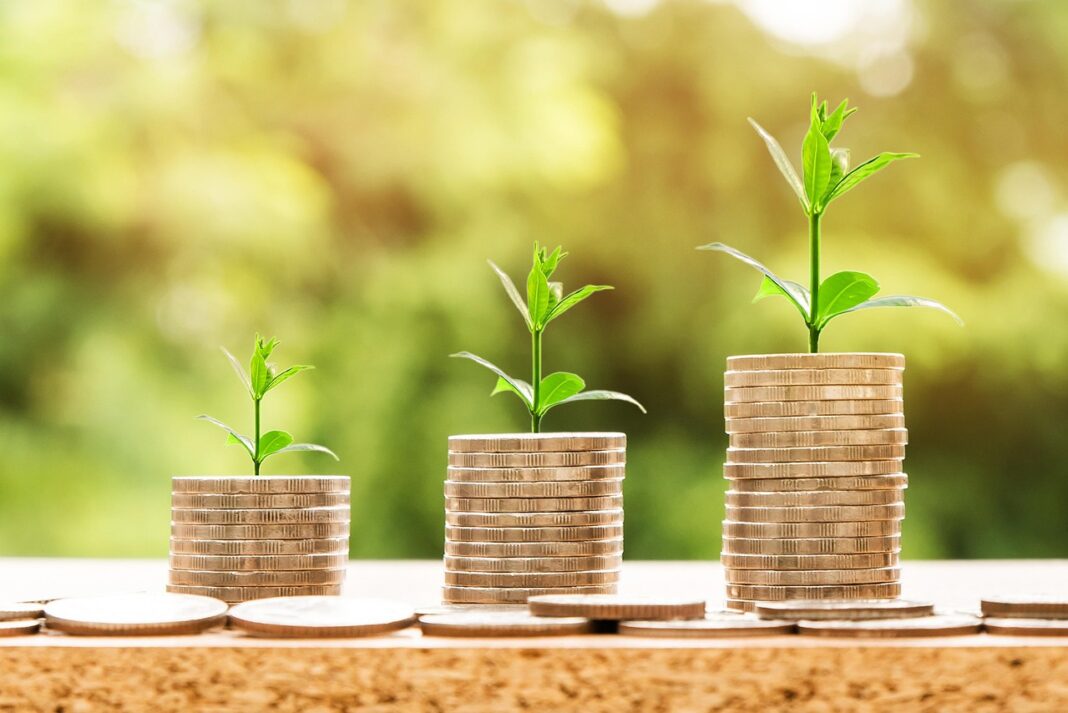

Imagine turning your essential monthly expenses into a source of savings. Paying bills is an unavoidable part of life, but what if every utility payment, internet subscription, or insurance premium could give you a little something back? This isn’t a pipe dream; it’s the reality of cashback on bills. In an era where every penny counts, strategically earning rewards from your regular household outgoings can significantly boost your financial health, offering a smart way to reclaim a portion of your spending without altering your lifestyle. Let’s dive into how you can transform your bill payments from mere obligations into genuine opportunities for savings.
The Power of Cashback on Bills
In the world of personal finance, finding clever ways to save money is always a win. Cashback on bills represents one of the most passive yet effective strategies to put money back into your pocket. It’s not about cutting costs drastically, but about optimizing the way you pay for services you already use.
What is Cashback on Bills?
Cashback on bills is a financial incentive offered by various providers – typically credit card companies, banks, or payment platforms – that gives you a percentage of your spending back when you pay certain bills. Instead of just paying your electric bill and being done, you might receive 1% or 2% of that payment back as a credit, a direct deposit, or points convertible to cash.
- Direct Savings: Reduces the effective cost of your bills.
- Passive Income: Earns money without extra effort, simply by paying what you already owe.
- Financial Incentive: Encourages responsible payment habits.
Why It Matters for Your Wallet
Think about the cumulative amount you spend on bills annually – hundreds, if not thousands, of dollars. Even a small percentage cashback can add up to substantial savings over time. For instance, if your average monthly bills total $1,000, and you earn 1.5% cashback, that’s $15 back each month, or $180 per year. That’s enough to cover a small expense or add to your savings fund.
- Boosts Savings: Contributes directly to your savings goals.
- Offsets Inflation: Helps mitigate rising costs of living.
- Improves Budgeting: Provides a small buffer in your monthly budget.
Common Bills Eligible for Cashback
While specific offers vary, many common household expenses are typically eligible for cashback. Always check the terms and conditions of your chosen cashback program.
- Utility Bills: Electricity, gas, water, internet, cable TV.
- Insurance Premiums: Car insurance, home insurance, health insurance.
- Subscription Services: Streaming services, gym memberships, software subscriptions.
- Loan Payments: Student loans, personal loans (though less common for mortgage payments).
- Mobile Phone Bills: Your monthly cellular service.
Actionable Takeaway: Review your last three months of bank statements to identify all recurring bill payments. This will give you a clear picture of your potential cashback earnings.
Top Strategies to Earn Cashback
Earning cashback on your bills requires a strategic approach. It’s about choosing the right tools and understanding how they work best for your spending patterns.
Credit Cards with Bill Pay Rewards
Many credit cards are specifically designed to offer rewards on everyday spending, and some even categorize bill payments as eligible transactions. Look for cards that offer bonus cashback on categories like “utilities,” “streaming services,” or “all purchases.”
Example: A credit card offering 2% cashback on all utility payments could earn you significant rewards if your combined utility bills are $300-$500 monthly. If you spend $400, that’s $8 back every month, or $96 a year, just for paying bills you already have.
- Flat-Rate Cashback Cards: Offer a consistent percentage back on all spending, often 1.5% to 2%.
- Category-Specific Cards: Provide higher cashback (e.g., 3-5%) on rotating or fixed categories that might include utilities, internet, or streaming.
- Sign-Up Bonuses: Some cards offer large sign-up bonuses after meeting a spending threshold, which can often be achieved by routing your bills through the new card.
Practical Tip: Be mindful of any transaction fees some billers might charge for credit card payments, as these can negate your cashback earnings.
Banking & Payment Apps
Beyond traditional credit cards, a growing number of banking apps and third-party payment platforms are entering the cashback arena, sometimes offering unique ways to earn on your bills.
- Digital Wallets (e.g., PayPal, Apple Pay, Google Pay): Some services occasionally run promotions for using their platform to pay bills, or integrate with cards that offer rewards.
- Direct Bank Offers: Check your bank’s online portal for personalized offers that might include cashback for paying specific billers through their platform.
- Dedicated Cashback Apps: Apps like Dosh or Rakuten sometimes partner with specific services or retailers that might include certain types of bill payments.
Example: Your bank might offer a special promotion for 1% cashback on your electricity bill if you pay it through their bill pay system for the next three months, on top of any credit card rewards you might earn.
Loyalty Programs & Utility Provider Offers
Don’t overlook the direct sources! Some utility companies or service providers have their own loyalty programs or special offers for consistent, on-time payments or for using specific payment methods.
- Auto-Pay Discounts: Many companies offer a small discount (e.g., $5-$10 per month) for setting up automatic payments, which is a form of guaranteed savings.
- Bundling Discounts: While not direct cashback, bundling services (internet, cable, phone) often leads to significant savings that effectively reduce your overall bill.
- Referral Programs: If your utility or service provider has a referral program, using it can result in credits on your bill, acting as cashback.
Actionable Takeaway: Research your current credit cards for their rewards structure. Then, check your bank’s app and your utility providers’ websites for any existing cashback or discount opportunities.
Maximizing Your Cashback Rewards
Earning cashback is good, but truly maximizing it means understanding the nuances and stacking your opportunities.
Understanding Reward Structures
Not all cashback is created equal. Some programs offer flat rates, others have rotating categories, and some use point systems that convert to cash.
- Flat-Rate Simplicity: Best for consistent, easy earning on all bills.
- Category Bonuses: Ideal if you have high spending in specific bill categories that align with the bonus offers. Requires more active management.
- Points Systems: Can offer higher redemption value if points are used for travel or specific merchant gift cards, but typically lower value for direct cashback. Understand the conversion rate.
Practical Tip: Keep a spreadsheet or use a budgeting app to track which bills you pay with which card/method to ensure you’re always using the optimal choice.
Stacking Offers for Greater Savings
This is where the real savvy comes in. “Stacking” means combining multiple cashback opportunities on a single transaction.
Example: You use a credit card that offers 2% cashback on utilities. You pay your electricity bill through an online portal that is currently offering an additional 1% cashback for using their platform, and your utility provider gives you a $5 discount for setting up auto-pay. That’s three layers of savings on one bill!
- Credit Card + Payment Platform: Use a rewards credit card via a payment app that also offers its own cashback.
- Credit Card + Utility Discount: Pay with a cashback card and still receive any auto-pay or loyalty discounts from the biller.
- Referral Bonuses + Cashback: Use a referral credit from a utility, then pay the remaining balance with a cashback card.
Automating Payments for Consistency
Once you’ve identified the best payment methods for each bill, automate them. This ensures you consistently earn cashback without the risk of forgetting or missing a payment.
- Set and Forget: Ensures on-time payments, avoiding late fees and protecting your credit score.
- Consistent Earnings: Guarantees you’re always using the optimized payment method.
- Peace of Mind: Frees up mental bandwidth from remembering due dates.
Actionable Takeaway: Identify one bill this week where you can stack at least two cashback or discount offers, then set it up for automated payment.
Potential Pitfalls and How to Avoid Them
While cashback on bills is a fantastic tool, it’s crucial to use it responsibly to ensure you genuinely benefit without incurring new financial burdens.
The Trap of Overspending
The primary pitfall with any rewards program is the temptation to spend more than you normally would, simply to earn more cashback. Remember, cashback is only beneficial if you’re spending on things you genuinely need and can afford.
- Stick to Your Budget: Only pay bills that are essential and budgeted for.
- Avoid Unnecessary Services: Don’t sign up for new streaming services or upgrade internet plans just for the potential cashback.
- Focus on Existing Bills: Concentrate on optimizing payments for your current, unavoidable expenses.
Annual Fees vs. Cashback Earned
Many premium rewards credit cards come with annual fees. It’s vital to calculate if the cashback you earn from bill payments (and other spending) actually outweighs this fee.
Example: A card with a $95 annual fee might offer 3% cashback on utilities. If you spend $500/month on utilities, that’s $15 cashback/month or $180/year. In this scenario, the $180 cashback easily covers the $95 fee, leaving you with a net gain of $85. However, if your utility spending is only $200/month, your cashback is $72/year, meaning the card costs you $23 annually.
- Calculate Net Gain: Always subtract the annual fee from your total estimated cashback to determine true profitability.
- Consider Other Benefits: Sometimes annual fees are justified by travel perks, insurance, or other valuable benefits that might indirectly save you money.
Terms and Conditions – The Fine Print
Cashback programs often have specific rules that can impact your earnings. Ignorance of these terms can lead to missed opportunities or disappointment.
- Exclusions: Some bills (e.g., mortgage payments, rent via certain platforms) might be excluded from cashback.
- Spending Caps: Category bonuses often have caps on how much you can earn per quarter or year.
- Minimum Payment Requirements: Some programs might require a minimum payment to be eligible for cashback.
- Redemption Rules: Understand how and when you can redeem your cashback (e.g., statement credit, direct deposit, gift cards).
Actionable Takeaway: Before committing to a new card or payment method, read the terms and conditions carefully, paying special attention to fees, exclusions, and redemption rules. If unsure, contact customer service.
Integrating Cashback into Your Financial Plan
Cashback isn’t just a fun bonus; it can be a valuable component of a robust financial strategy.
Budgeting with Cashback in Mind
Incorporate your expected cashback earnings into your budget. While it might seem small initially, over a year, it can free up funds for other financial goals.
- Allocate to Savings: Treat cashback as extra income to be automatically transferred to a savings account.
- Offset a Specific Expense: Use the cashback to “pay” for a small, non-essential expense without touching your main budget.
- Emergency Fund Boost: Every bit helps in building a solid financial safety net.
Reinvesting Your Savings
Don’t just let cashback sit idle. Consider how you can use these savings to further your financial goals.
- Pay Down Debt: Use cashback to make extra payments on high-interest debt, saving you even more in interest.
- Invest: Direct cashback earnings into a brokerage account or retirement fund.
- Future Planning: Save for a down payment, a significant purchase, or a family vacation.
Example: If you earn $200 in cashback on bills annually, depositing that directly into an emergency fund over five years, without any interest, is $1,000 you wouldn’t have otherwise had. With compound interest, it could be even more!
Long-Term Benefits and Financial Growth
Consistency is key. The long-term impact of consistently earning and reinvesting cashback on bills can be surprisingly significant, fostering smart financial habits along the way.
- Habit Formation: Encourages conscious spending and payment optimization.
- Accelerated Goals: Helps reach financial milestones faster.
- Increased Net Worth: Over time, these small gains contribute to overall financial growth.
Actionable Takeaway: Decide today how you will allocate your cashback earnings. Will it go to savings, debt repayment, or investments? Make it a conscious decision.
Conclusion
Earning cashback on bills is more than just a clever trick; it’s a legitimate and accessible financial strategy that can put real money back into your pocket. By understanding the available options, choosing the right tools, and optimizing your payment methods, you can transform unavoidable monthly expenses into a consistent source of savings. From credit card rewards to banking app offers and utility discounts, the opportunities are abundant. However, responsible usage, vigilance against overspending, and a clear understanding of terms are paramount. Start today by evaluating your current bills and payment methods. With a little effort and smart planning, you can make your money work harder for you, turning every bill payment into a step towards greater financial freedom.

