
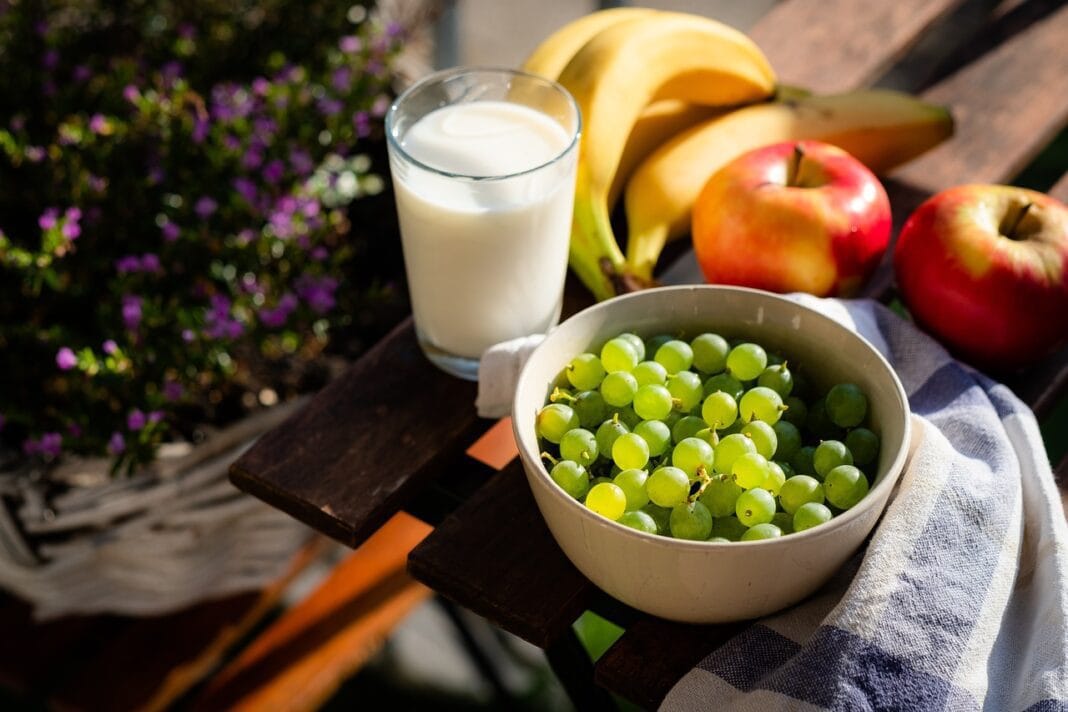

Juggling work, family, and personal commitments can leave little time for healthy eating. Ordering takeout might seem like the easy solution, but it’s often expensive and lacks nutritional value. That’s where meal prepping comes in – a smart, efficient way to take control of your diet and overall well-being. Meal prepping isn’t just for bodybuilders or fitness fanatics; it’s a practical strategy for anyone looking to save time, eat healthier, and reduce food waste. Let’s explore how to master the art of meal prepping and unlock its numerous benefits.
Why Meal Prep? The Advantages You Need to Know
Meal prepping offers a wide array of benefits that extend beyond just saving time in the kitchen. It’s a proactive approach to health and wellness.
Time Savings and Convenience
- Less Cooking During the Week: The most obvious benefit! By dedicating a few hours on the weekend, you free up valuable time during the busy weekdays. No more last-minute dinner scrambles or stressful meal decisions.
- Reduced Decision Fatigue: Knowing exactly what you’re going to eat each day eliminates the mental burden of deciding what to cook or order, reducing decision fatigue.
Healthier Eating Habits
- Control Over Ingredients: You have complete control over the ingredients in your meals, allowing you to choose healthier options and avoid processed foods, excessive sodium, and unhealthy fats often found in takeout.
- Portion Control: Prepping meals allows you to portion out your food accurately, aiding in weight management and preventing overeating. Studies have shown that people who meal prep tend to consume fewer calories and have healthier diets.
- Improved Nutritional Intake: You can ensure a balanced diet by intentionally including a variety of fruits, vegetables, lean proteins, and whole grains in your meal prep plans.
Budget-Friendly Food Management
- Reduced Food Waste: Planning your meals in advance minimizes impulse purchases and ensures you use all the ingredients you buy, significantly reducing food waste. According to the EPA, food waste accounts for a considerable portion of landfill contents.
- Cost Savings: Eating home-cooked meals is generally much cheaper than consistently eating out or ordering takeout. Meal prepping can save you a significant amount of money each month.
- Strategic Grocery Shopping: With a meal plan in place, you can create a detailed grocery list and avoid impulse buys, sticking to only what you need for the week.
Planning Your Meal Prep Strategy: The Key to Success
Successful meal prepping starts with a solid plan. This involves choosing recipes, creating a shopping list, and organizing your prep session.
Selecting Recipes and Building a Meal Plan
- Start Simple: Don’t overwhelm yourself with complex recipes, especially when you’re starting out. Choose 2-3 easy recipes to begin with.
- Consider Your Preferences: Select meals that you enjoy eating and that fit your dietary needs and preferences.
- Factor in Variety: Plan for a variety of meals to prevent boredom and ensure a well-rounded diet. Consider different cuisines and flavor profiles.
- Example Meal Plan:
Breakfast: Overnight oats with berries and nuts (prep multiple jars at once).
Lunch: Chicken and quinoa salad with roasted vegetables (prep all ingredients and portion into containers).
Dinner: Ground turkey and black bean bowls with brown rice and salsa (cook ground turkey and rice in bulk, portion into containers with beans and salsa).
Snacks: Cut vegetables with hummus, Greek yogurt with fruit, hard-boiled eggs (prep ahead of time).
- Recipe Resources: Explore websites like Budget Bytes, Skinnytaste, and BBC Good Food for healthy and easy meal prep recipes.
Creating a Grocery List
- Inventory Your Pantry: Before heading to the store, check your pantry and refrigerator to avoid buying duplicates.
- Organize Your List: Group items by category (produce, protein, grains, etc.) to streamline your shopping trip.
- Stick to the List: Resist the temptation to buy unnecessary items, especially processed snacks and unhealthy ingredients.
Organizing Your Prep Session
- Designated Time: Schedule a specific time for meal prepping each week, ideally when you have a few uninterrupted hours.
- Gather Your Tools: Ensure you have all the necessary equipment, including cutting boards, knives, mixing bowls, measuring cups, and storage containers.
- Batch Cooking: Cook large quantities of grains, proteins, and vegetables to save time.
- Efficient Workflow: Start with tasks that take the longest, such as cooking grains or roasting vegetables. While those are cooking, you can chop vegetables or prepare sauces.
Essential Meal Prep Tools and Equipment
Having the right tools can make meal prepping significantly easier and more efficient.
Storage Containers
- Glass Containers: A great option for reheating food, as they are microwave-safe and don’t leach chemicals into your food.
- Plastic Containers (BPA-Free): Lightweight and durable, but ensure they are BPA-free for safe food storage.
- Portion Control Containers: Help with accurate portioning and calorie tracking.
- Freezer-Safe Bags: Ideal for storing soups, sauces, and individual portions of meals in the freezer.
Cooking Essentials
- Sharp Knives: Essential for efficient chopping and slicing.
- Cutting Boards: Use separate cutting boards for meat and vegetables to prevent cross-contamination.
- Large Pots and Pans: Needed for batch cooking grains, soups, and stews.
- Roasting Pans: Perfect for roasting large quantities of vegetables.
- Slow Cooker or Instant Pot: Great for hands-off cooking of stews, chili, and pulled meats.
Other Helpful Gadgets
- Food Scale: For accurate portioning and calorie tracking.
- Vegetable Chopper: Speeds up the process of chopping vegetables.
- Salad Spinner: Dries lettuce quickly and efficiently.
Safe Food Storage and Reheating
Proper food storage is crucial to prevent bacterial growth and ensure your meals stay fresh and safe to eat.
Cooling and Storage Guidelines
- Cool Food Quickly: After cooking, cool food to room temperature within two hours. Divide large quantities of food into smaller containers to speed up the cooling process.
- Refrigerate Promptly: Store cooked food in the refrigerator at 40°F (4°C) or below.
- Label and Date: Label each container with the date it was prepared to keep track of freshness.
- Shelf Life: Generally, cooked meals can be safely stored in the refrigerator for 3-4 days.
Reheating Methods
- Microwave: The quickest and easiest method, but ensure food is heated thoroughly. Stir food halfway through heating to ensure even cooking.
- Oven: A good option for reheating larger portions of food or meals that you want to crisp up.
- Stovetop: Ideal for reheating soups, stews, and sauces.
- Reheat to 165°F (74°C): Use a food thermometer to ensure food is reheated to a safe internal temperature.
Troubleshooting Common Meal Prep Issues
Even with the best planning, you might encounter some challenges along the way. Here are some common issues and how to address them:
Food Drying Out
- Add Moisture: Add a small amount of water, broth, or sauce to the container before reheating.
- Store with Sauces: Store dry ingredients separately from sauces and add them just before eating.
Food Becoming Soggy
- Store Ingredients Separately: Store components that tend to get soggy (e.g., salad greens, croutons) separately and combine them just before eating.
- Use Absorbent Layers: Line the bottom of your container with a paper towel to absorb excess moisture.
Lack of Variety
- Rotate Recipes: Rotate your recipes every week or two to prevent boredom.
- Experiment with Flavors: Try different sauces, spices, and herbs to add variety to your meals.
Running Out of Time
- Simplify Your Recipes: Choose simpler recipes with fewer ingredients.
- Prep Components in Advance: Chop vegetables or cook grains on one day and assemble the meals on another.
- Enlist Help: If possible, ask family members or friends to help with meal prep.
Conclusion
Meal prepping is a powerful tool for achieving a healthier, more organized, and budget-friendly lifestyle. By planning ahead, investing in the right tools, and following safe food storage practices, you can unlock the numerous benefits of meal prepping and take control of your nutrition. Start small, be patient with yourself, and celebrate your progress along the way. With consistency and dedication, meal prepping can become a sustainable habit that transforms your eating habits and overall well-being.

