
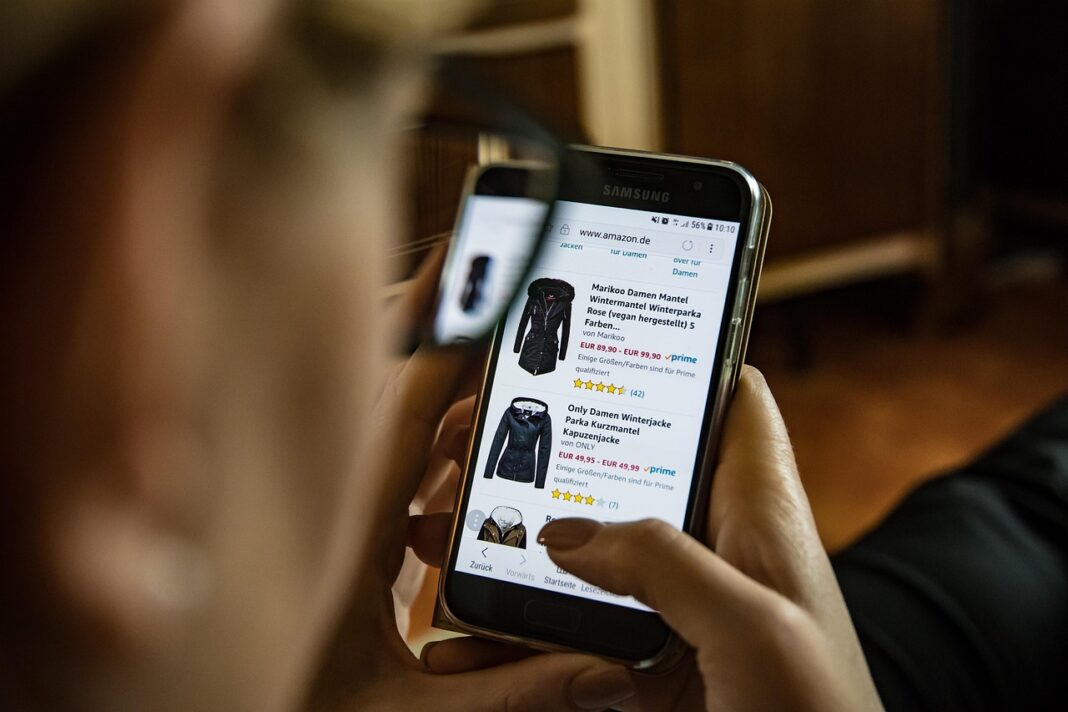

Imagine effortlessly snagging that must-have item just as its price dips to the sweet spot you’ve been waiting for. No more frantic refreshing, no more agonizing over whether to buy now or wait. Price trackers are the secret weapon of savvy shoppers, empowering you to make informed decisions and save money on everything from electronics to clothing. This guide will delve into the world of price tracking, revealing how it works, why it’s essential, and how to leverage it for maximum savings.
What is a Price Tracker and How Does it Work?
Understanding the Basics of Price Tracking
At its core, a price tracker is a tool, typically a website or browser extension, that monitors the prices of products on online retailers. It works by periodically checking the prices of items you’re interested in and alerting you when the price drops below a certain threshold or reaches your desired price. These tools can save you significant time and money by automating the price monitoring process.
- Automated Monitoring: Price trackers automatically check for price changes, eliminating the need for manual checking.
- Price History Charts: Many trackers provide historical price data, allowing you to understand price trends and identify the best time to buy.
- Customizable Alerts: Set your desired price and receive notifications via email or push notification when the price drops.
- Cross-Platform Support: Many trackers work across multiple retailers, simplifying price comparison.
The Mechanics Behind the Magic
Price trackers utilize web scraping techniques to extract product information, including price, availability, and other relevant details, from retailer websites. This data is then stored in a database and regularly updated. When a price change occurs, the tracker compares the new price to your set parameters and triggers an alert if necessary.
For example, let’s say you’re interested in buying a new 4K television. You find a model on Amazon that you like, currently priced at $800. Using a price tracker, you set your desired price at $700. The tracker will then monitor the TV’s price on Amazon, and if it drops to $700 or below, you’ll receive an alert.
Why Use a Price Tracker? The Benefits Unveiled
Saving Money and Time
The most obvious benefit of using a price tracker is the potential to save money. By setting your desired price and waiting for the right moment to buy, you can avoid overpaying for items. Additionally, price trackers save you time by automating the price monitoring process.
- Avoid Overpaying: Ensure you’re getting the best possible price.
- Impulse Control: Helps you stick to your budget and avoid impulse purchases.
- Time Efficiency: No need to manually check prices repeatedly.
Making Informed Purchasing Decisions
Price trackers provide valuable data that can help you make informed purchasing decisions. Price history charts, for instance, allow you to see how the price of a product has fluctuated over time, helping you determine whether the current price is a good deal.
For example, if you see that the price of a particular laptop has been steadily decreasing over the past few months, you might decide to wait a bit longer to see if it drops even further. Conversely, if you see that the price has been rising, you might decide to buy it now before it gets more expensive.
Identifying Deals and Promotions
Many price trackers also aggregate information about deals and promotions from various retailers. This can help you discover discounts and special offers that you might otherwise miss.
- Deal Aggregation: Find the best deals across multiple retailers.
- Coupon Integration: Some trackers automatically apply coupons to your purchases.
- Exclusive Offers: Access exclusive deals and promotions for price tracker users.
Choosing the Right Price Tracker for You
Key Features to Consider
Not all price trackers are created equal. When choosing a price tracker, consider the following features:
- Supported Retailers: Ensure the tracker supports the retailers you frequently shop at.
- Price History Data: Look for trackers that provide detailed price history charts.
- Alert Options: Choose a tracker that offers a variety of alert options, such as email, push notifications, and browser notifications.
- Ease of Use: Opt for a tracker with a user-friendly interface.
- Customization Options: Look for trackers that allow you to customize your alerts and track multiple products.
Popular Price Tracking Tools
Here are a few popular price tracking tools to consider:
- CamelCamelCamel: A popular Amazon price tracker with detailed price history charts.
- Honey: A browser extension that automatically finds and applies coupons.
- Keepa: Offers extensive price tracking data for Amazon products.
- Google Shopping: Google’s own price comparison and tracking tool.
Before settling on a specific tool, take the time to read reviews and compare features to determine which one best suits your needs. Free trials are often available, allowing you to test the functionality before committing.
Practical Tips for Maximizing Savings with Price Trackers
Setting Realistic Price Alerts
When setting price alerts, be realistic about the price you’re willing to pay. If you set your desired price too low, you might never receive an alert. Research the product’s price history to get a sense of a reasonable price range.
For instance, if a product typically sells for around $100, setting your desired price at $50 might be unrealistic. Instead, try setting it at $80 or $90 to increase your chances of getting an alert.
Monitoring Multiple Products
Don’t limit yourself to tracking just one product. Monitor multiple products that you’re interested in to maximize your chances of finding a good deal. This is particularly useful if you’re flexible about the specific model or brand you want.
- Track Similar Items: Monitor multiple versions of the same item from different brands.
- Consider Alternatives: Track comparable products that meet your needs.
- Expand Your Search: Broaden your search to include similar products in different categories.
Combining Price Trackers with Other Savings Strategies
Price trackers are most effective when used in conjunction with other savings strategies, such as coupon codes, cashback rewards, and loyalty programs.
- Stack Discounts: Combine price tracker alerts with coupon codes for maximum savings.
- Earn Cashback: Use a cashback rewards credit card or platform to earn additional savings on your purchases.
- Leverage Loyalty Programs: Take advantage of retailer loyalty programs to earn points or discounts.
Conclusion
Price trackers are invaluable tools for anyone looking to save money and make informed purchasing decisions. By automating the price monitoring process and providing valuable data, these tools empower you to buy products at the best possible price. By carefully choosing the right price tracker and implementing practical savings strategies, you can unlock significant savings and become a smarter shopper. So, embrace the power of price tracking and start saving today!

