
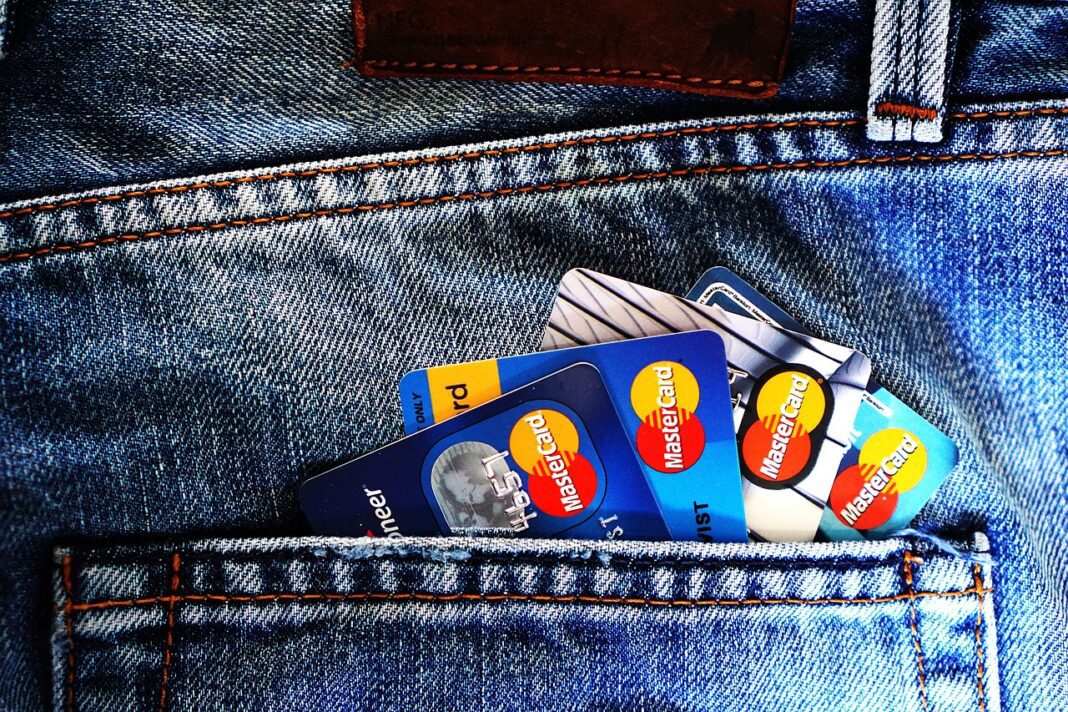

In an era where every penny counts, the rising cost of living, particularly the weekly grocery bill, has many households searching for smart ways to save. Imagine transforming your necessary food purchases into a source of savings. This isn’t a fantasy; it’s the power of cashback for groceries. By strategically utilizing various programs and tools, you can recoup a portion of your spending, making a tangible difference to your household budget. Dive in to discover how to turn your everyday grocery runs into rewarding opportunities.
Understanding Cashback for Groceries: More Than Just a Discount
Cashback programs have revolutionized how consumers interact with their spending. For groceries, this means getting a percentage of your money back on items you were going to buy anyway. It’s not just about finding a sale item; it’s about a continuous return on your essential expenditures.
What is Grocery Cashback?
Grocery cashback refers to receiving a monetary reward, typically a percentage of your total purchase or a fixed amount on specific items, after buying groceries. Unlike direct discounts applied at the point of sale, cashback is usually credited back to you later, either as a statement credit, a direct deposit, or points convertible to cash or gift cards. It’s a powerful tool for maximizing grocery savings without drastically altering your shopping list.
- Direct Percentage: A common model where you get, for example, 1-5% back on all eligible grocery purchases.
- Item-Specific Offers: Many apps and programs offer cashback on particular brands or products, often requiring a minimum quantity.
- Cumulative Rewards: Points collected that can be redeemed for cash or other rewards once a certain threshold is met.
Why Prioritize Grocery Cashback Now?
With inflation impacting food prices globally, grocery budgeting has become a top priority for many families. Cashback offers a unique buffer against these rising costs. Instead of just trying to spend less, you’re actively getting money back on what you do spend, effectively lowering your net grocery bill.
- Combats Inflation: Directly reduces the effective price of your groceries.
- Boosts Savings: The cumulative effect of small cashback amounts can add up significantly over a year.
- Encourages Smart Spending: Promotes awareness of spending habits and available rewards.
For example, if your average weekly grocery bill is $150 and you consistently earn 3% cashback, that’s an extra $4.50 back each week, totaling nearly $234 in annual savings – money that can be put towards other essentials or treats.
Top Strategies to Earn Cashback on Groceries
Earning cashback on your grocery purchases can be achieved through several distinct methods. Combining these strategies can significantly amplify your rewards, turning your regular supermarket run into a truly rewarding experience.
Cashback Credit Cards: Your Wallet’s Best Friend
Many credit cards offer generous cashback rates on specific spending categories, with groceries often being a prime candidate. These cards can be an incredibly efficient way to earn rewards without much effort beyond your regular spending.
- Category-Specific Cards: Look for cards offering 2-5% cashback on grocery store purchases. Some cards might have rotating categories that include groceries for a quarter.
- Flat-Rate Cards: While offering a lower percentage (e.g., 1.5-2%), these cards provide cashback on all purchases, making them versatile even if groceries aren’t their top category.
- Welcome Bonuses: Many cards offer substantial sign-up bonuses for new cardholders who meet a spending threshold, which your grocery purchases can help you achieve.
Practical Tip: Consider a card like the Blue Cash Preferred Card from American Express, which often offers 6% cashback at U.S. supermarkets (on up to $6,000 in purchases per year, then 1%). While it has an annual fee, the high cashback rate can easily offset it if you spend a significant amount on groceries.
Dedicated Grocery Apps and Loyalty Programs
Beyond credit cards, many grocery chains and third-party apps have their own grocery rewards programs and specific offers designed to entice shoppers.
- Supermarket Loyalty Programs: Most major supermarkets (e.g., Kroger, Safeway, Stop & Shop) have loyalty cards or apps that provide personalized discounts, points, or direct cashback on certain purchases. You might receive bonus points for buying specific brands or hitting spending milestones.
- Digital Coupon Apps: Apps like Ibotta, Fetch Rewards, and Checkout 51 allow you to earn cashback by scanning your receipts after purchasing eligible items. These are often brand-specific offers.
- Cashback Portals: Websites and apps like Rakuten (formerly Ebates) or TopCashback sometimes partner with online grocery delivery services (e.g., Instacart, Shipt) allowing you to earn cashback on your entire order when you shop through their portal.
Actionable Takeaway: Download your primary grocery store’s app and sign up for their loyalty program. Simultaneously, install one or two receipt-scanning apps to capture additional savings from eligible items you’re already buying.
Receipt Scanning Apps: Small Wins Add Up
These apps represent a straightforward, low-effort way to accumulate cashback. You simply purchase qualifying items, snap a photo of your receipt, and earn rewards.
- Ibotta: Offers cashback on a wide range of products, often specific brands, and sometimes “any brand” offers. You select offers before shopping, then scan your receipt.
- Fetch Rewards: Simpler to use, Fetch rewards you for scanning any grocery receipt, regardless of what you bought, and offers bonus points for specific brands or items. Points can be redeemed for gift cards.
- Checkout 51: Similar to Ibotta, offering weekly offers on groceries and household items. You browse offers, buy, and upload your receipt.
Example: You buy a specific brand of cereal, some yogurt, and fresh produce. Ibotta might offer $0.50 back on that cereal and $0.75 on a specific yogurt brand. Fetch Rewards would give you points for the entire receipt, plus bonus points if the cereal was a featured brand. Over time, these small amounts contribute significantly to your grocery savings.
Maximizing Your Grocery Cashback Earnings
Earning cashback is good, but maximizing it is even better. With a few strategic habits, you can significantly boost your returns and make the most of every grocery trip.
Stacking Deals for Super Savings
One of the most effective strategies is combining multiple cashback opportunities for a single purchase. This is often referred to as “deal stacking.”
- Credit Card + App Offer: Pay for your groceries with a high-cashback credit card (e.g., 5% back) AND submit your receipt to an app like Ibotta for additional savings on specific items.
- Loyalty Program + Manufacturer Coupon + App: Use your supermarket loyalty card for discounts, apply a manufacturer’s coupon, and then use a receipt-scanning app for extra cashback.
- Online Portal + Store Promotion: If ordering groceries online, start through a cashback portal (e.g., Rakuten), then use any available store promo codes or discounts at checkout.
Example: A specific brand of frozen pizza is on sale for $5 (down from $7). You have a $1 off manufacturer coupon. You pay with a credit card that gives you 3% cashback on groceries. After your purchase, you scan the receipt to an app that offers $0.75 cashback on that specific pizza. Your effective cost drops from $7 to approximately $3.09 ($5 – $1 – $0.75 – 3% cashback on $4).
Timing Your Purchases
Being aware of when certain deals drop or when categories rotate can significantly impact your cashback earnings.
- Weekly Ad Cycles: Most grocery stores have weekly sales cycles. Align your shopping with these cycles to purchase items when they are already discounted, then layer cashback on top.
- Cashback Category Rotations: If you have a credit card with rotating cashback categories (e.g., Chase Freedom Flex, Discover It Cash Back), pay attention to when groceries are a bonus category (often 5% back). Plan your larger grocery hauls during these periods.
- Holiday Sales: Many cashback apps and stores offer enhanced cashback during holiday periods on popular items.
Understanding Terms and Conditions
To avoid disappointment, always read the fine print for any cashback offer. This includes:
- Spending Caps: Some credit cards or programs cap the amount of cashback you can earn in a specific category (e.g., “6% cashback on up to $6,000 in supermarket purchases per year”).
- Expiration Dates: Cashback offers on apps usually have expiration dates. Ensure you complete your purchase and submit your receipt before the offer expires.
- Minimum Payouts: Many apps require you to accumulate a certain amount (e.g., $20) before you can cash out your rewards.
- Eligible Retailers: Confirm that your chosen grocery store qualifies for the cashback offer. Some credit cards might exclude warehouse clubs or superstores from their “grocery” category.
Actionable Takeaway: Before a major grocery trip, spend 5-10 minutes reviewing your credit card’s bonus categories, checking for new offers on your favorite cashback apps, and glancing at your store’s weekly ad. This small investment of time can yield significant returns.
Choosing the Right Cashback Option for Your Lifestyle
With a multitude of cashback options available, selecting the best ones for your specific needs is crucial. It’s not a one-size-fits-all solution; what works for one household might not be ideal for another.
Assess Your Shopping Habits
Your shopping patterns are the primary determinant of which cashback programs will be most effective for you.
- Frequent Shopper vs. Bulk Buyer: If you do small, frequent shops, receipt-scanning apps might be ideal. If you do large monthly hauls at a warehouse club, a credit card that includes those stores in its grocery category will be more beneficial.
- Brand Loyal vs. Flexible Shopper: If you stick to specific brands, apps with item-specific offers can be very rewarding. If you’re flexible, a flat-rate credit card or general store loyalty program might be better.
- Online vs. In-Store: If you frequently use online grocery delivery, look for cashback through portals or credit cards that reward online grocery purchases.
Example: A family of five buying groceries weekly from a national supermarket chain will likely benefit most from a credit card with a high grocery cashback rate combined with that supermarket’s loyalty program and occasional receipt-scanning for specific brand purchases. A single person who shops at a local market and occasionally tries new products might find more value in general apps like Fetch Rewards.
Compare Payout Methods and Minimums
Consider how and when you want to receive your cashback. Different programs have different payout structures.
- Statement Credit: Often the most convenient, directly reducing your credit card bill.
- Direct Deposit: Funds transferred directly to your bank account, offering liquid cash.
- Gift Cards: Some apps only offer gift cards, which can be useful if they are for stores you frequent, but less flexible than cash.
- Minimum Payout Thresholds: Be aware of how much you need to accumulate before you can withdraw your earnings. Some apps might require $20, while credit card cashback is often automatically applied or available monthly regardless of the amount.
Read Reviews and Stay Informed
The world of cashback is dynamic, with new offers and programs emerging regularly. Staying informed can help you adapt and find new opportunities.
- Online Forums and Communities: Websites like Reddit’s r/churning or r/personalfinance often discuss the best current cashback deals and strategies.
- Financial Blogs: Many personal finance blogs specialize in tracking credit card offers and cashback app comparisons.
- App Store Reviews: Check user reviews for cashback apps to gauge their reliability and ease of use.
Actionable Takeaway: Conduct a quick audit of your current grocery spending habits. Based on that, research 2-3 cashback credit cards that align with your spending, and pick 1-2 receipt-scanning apps that cover the stores or brands you frequently buy. Don’t try to use every single program; focus on those that offer the best return for your specific habits.
Common Pitfalls to Avoid When Using Grocery Cashback
While cashback for groceries offers fantastic savings potential, it’s essential to approach it with a strategy to avoid common traps that can negate its benefits or even lead to financial detriment.
Don’t Overspend to Earn
The primary goal of cashback is to save money on purchases you would have made anyway. A common pitfall is falling into the trap of buying items you don’t need simply to “earn” cashback.
- “Bonus” Purchases: Avoid buying an extra item just to qualify for a small cashback reward if you wouldn’t otherwise use it.
- Minimum Spending Requirements: Be cautious of credit card welcome bonuses that require a high spending threshold. Ensure your natural spending can meet it without forcing unnecessary purchases.
- Impulse Buys: Stick to your grocery list. Cashback is a bonus, not a justification for deviating from your budget.
Warning: Earning $1 back on a $10 item you don’t need means you’ve still spent $9 unnecessarily. The true saving comes from earning cashback on essential items.
Watch Out for Expiring Offers
Many cashback offers, especially those from apps, have a limited lifespan. Missing the deadline means missing out on the reward.
- Check Expiration Dates: Make it a habit to quickly review the expiration dates on offers before adding them to your shopping list.
- Prompt Receipt Submission: Submit your receipts as soon as possible after shopping. Don’t let them sit around and risk an offer expiring or losing the receipt.
Example: An app offers $2 cashback on a specific brand of cheese, expiring at midnight. If you buy the cheese but forget to upload the receipt until the next day, you’ve missed your chance to claim the $2.
Credit Card Debt vs. Cashback Rewards
Using cashback credit cards responsibly is paramount. The rewards you earn are quickly overshadowed by interest charges if you carry a balance.
- Pay in Full: Always aim to pay your credit card balance in full and on time each month. The interest rate on credit cards (often 15-25% APR) will dwarf any cashback earned (typically 1-5%).
- Avoid Annual Fees: Evaluate whether a card’s annual fee is truly offset by the cashback you expect to earn. For instance, if a card has a $95 annual fee, you need to earn more than $95 in cashback just to break even.
Crucial Reminder: Cashback credit cards are tools for smart spending, not excuses for debt. Your goal is to get money back, not give it away in interest.
Conclusion
Harnessing the power of cashback for groceries is a smart, accessible way to regain control over your household budget and make your money work harder. By strategically combining cashback credit cards, dedicated grocery apps, and loyalty programs, you can transform a routine expense into a consistent source of savings. Remember to stack deals, pay attention to terms and conditions, and most importantly, avoid overspending to chase rewards. Adopt these proactive shopping habits, and you’ll find yourself not just saving money, but building a more resilient financial future, one grocery trip at a time. Start today, and watch your everyday purchases yield extraordinary returns!

