
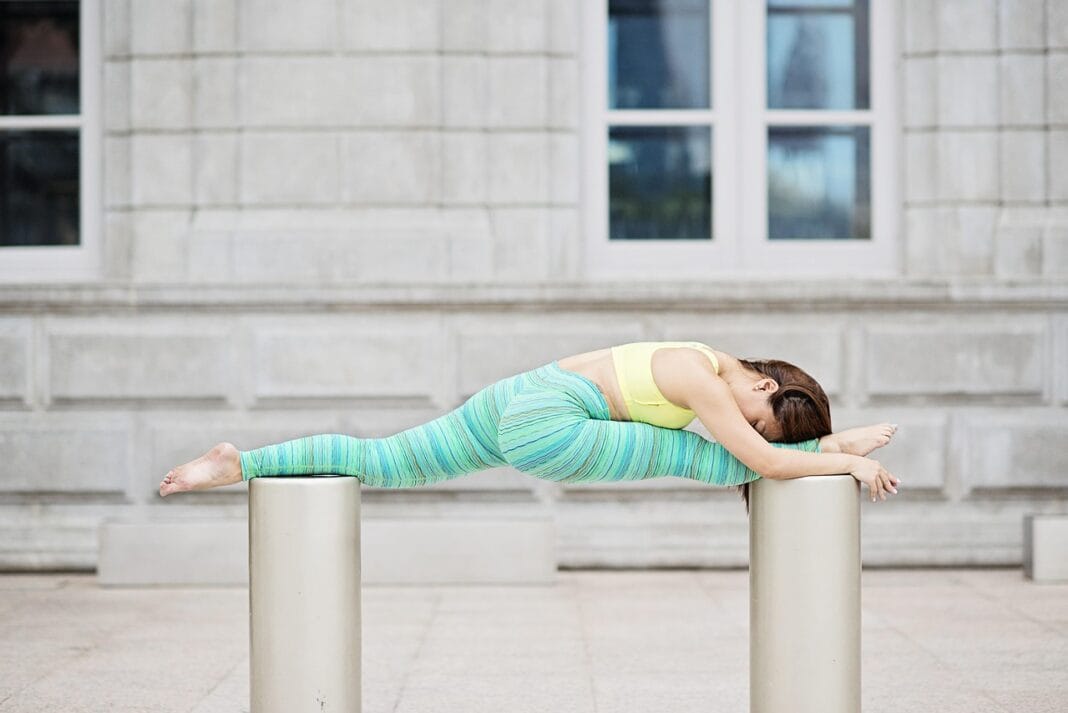

Engage in healthy movement and discover how to invigorate your life! It’s not just about hitting the gym; it’s about incorporating healthy movement into your daily routine in a way that feels good and supports your overall well-being. Let’s explore the world of healthy movement and how you can cultivate it for a more vibrant and energetic you.
Understanding Healthy Movement
What is Healthy Movement?
Healthy movement goes beyond structured exercise. It encompasses any physical activity that promotes physical and mental well-being. It’s about moving your body in ways that feel natural, enjoyable, and sustainable, making healthy movement a part of your everyday life.
- Focuses on function and performance rather than aesthetics.
- Involves a variety of movements to engage different muscle groups.
- Prioritizes proper form to prevent injuries.
- Includes activities like walking, stretching, playing, and everyday tasks.
The Difference Between Exercise and Healthy Movement
While exercise is structured and often goal-oriented, healthy movement is more integrated into daily life. Exercise aims to improve specific fitness metrics, while healthy movement focuses on overall physical and mental wellness.
- Exercise: Planned, structured, repetitive, and intentional movement performed to improve or maintain one or more components of physical fitness (e.g., strength, endurance, flexibility).
- Healthy Movement: A broader concept including all forms of physical activity, including exercise, but also incorporating spontaneous movement throughout the day.
For example, instead of taking the elevator, choose the stairs. Instead of sitting for prolonged periods, stand up and stretch every 30 minutes. These small changes add up to significant health benefits.
Benefits of Prioritizing Movement
Physical Health Improvements
Healthy movement provides a multitude of physical health benefits that extend beyond just weight management.
- Improved Cardiovascular Health: Regular movement strengthens the heart and improves blood circulation, reducing the risk of heart disease, stroke, and high blood pressure. Studies show that even moderate-intensity activities, like brisk walking, can significantly lower the risk of cardiovascular events.
- Increased Muscle Strength and Endurance: Movement helps build and maintain muscle mass, improving strength and endurance for daily activities. Strength training, even using bodyweight exercises, can combat age-related muscle loss.
- Enhanced Bone Density: Weight-bearing activities, such as walking, running, and dancing, stimulate bone growth and increase bone density, reducing the risk of osteoporosis.
- Better Flexibility and Balance: Stretching and range-of-motion exercises improve flexibility and balance, reducing the risk of falls and injuries. Yoga and Tai Chi are excellent options for enhancing these aspects of physical fitness.
- Weight Management: Movement helps burn calories and increase metabolism, aiding in weight management and reducing the risk of obesity-related diseases.
- Reduced Risk of Chronic Diseases: Movement helps lower the risk of chronic diseases such as type 2 diabetes, certain types of cancer, and arthritis.
Mental and Emotional Wellbeing
The benefits of healthy movement extend far beyond the physical, significantly impacting mental and emotional wellbeing.
- Reduced Stress and Anxiety: Physical activity releases endorphins, which have mood-boosting and stress-relieving effects.
- Improved Mood: Regular movement can help alleviate symptoms of depression and improve overall mood.
- Enhanced Cognitive Function: Movement increases blood flow to the brain, improving cognitive function, memory, and concentration.
- Better Sleep Quality: Regular physical activity can promote better sleep quality, helping you fall asleep faster and stay asleep longer.
- Increased Self-Esteem: Achieving fitness goals and feeling physically strong can boost self-esteem and confidence.
Practical Ways to Incorporate Healthy Movement
Daily Habits and Activities
Integrating movement into your daily routine can be easier than you think.
- Walk More: Take the stairs instead of the elevator, park further away from your destination, and walk during your lunch break. Aim for at least 30 minutes of moderate-intensity walking most days of the week.
- Stand Up Frequently: Set a timer to remind yourself to stand up and stretch every 30 minutes, especially if you work at a desk.
- Incorporate Active Breaks: Instead of scrolling on your phone during breaks, do some stretching, jumping jacks, or a quick walk around the block.
- Do Chores Actively: Turn household chores into a workout by putting on some music and dancing while you clean or gardening with enthusiasm.
- Active Commuting: Cycle or walk to work or school if possible, or get off the bus or train a stop or two early and walk the rest of the way.
Exercise and Structured Activities
Complement your daily habits with structured exercise for a more comprehensive approach.
- Strength Training: Incorporate strength training exercises at least two days a week, focusing on major muscle groups. Examples include squats, lunges, push-ups, and rows.
- Cardio: Engage in cardiovascular activities like running, swimming, cycling, or dancing for at least 150 minutes of moderate-intensity or 75 minutes of vigorous-intensity per week.
- Flexibility Training: Stretch regularly to improve flexibility and range of motion. Yoga, Pilates, and Tai Chi are excellent options.
- Join a Class or Sports Team: Participating in group fitness classes or team sports can provide motivation and social support. Consider activities like Zumba, basketball, soccer, or tennis.
Listen to Your Body
It’s crucial to listen to your body and adjust your activity levels accordingly.
- Pay attention to pain signals. If you experience pain, stop the activity and rest.
- Warm up before exercise and cool down afterward. This helps prevent injuries.
- Stay hydrated by drinking plenty of water.
- Get enough sleep to allow your body to recover.
- Consult with a healthcare professional before starting a new exercise program, especially if you have any underlying health conditions.
Creating a Sustainable Movement Routine
Set Realistic Goals
Start with small, achievable goals to build momentum and avoid feeling overwhelmed.
- Instead of aiming to run a marathon right away, start with a goal of walking for 30 minutes three times a week.
- Gradually increase the intensity and duration of your activities as you get fitter.
- Track your progress to stay motivated and celebrate your achievements.
Find Activities You Enjoy
Choose activities that you find enjoyable and that fit into your lifestyle.
- If you hate running, don’t force yourself to run. Explore other options like swimming, dancing, or hiking.
- Consider your interests and hobbies when choosing activities. If you enjoy being outdoors, try hiking or kayaking. If you enjoy music, try dancing or a Zumba class.
- Experiment with different activities to find what works best for you.
Make it a Habit
Integrate movement into your daily routine so that it becomes a habit.
- Schedule time for exercise in your calendar and treat it like any other important appointment.
- Find a workout buddy to provide motivation and accountability.
- Lay out your workout clothes the night before to make it easier to get started.
- Reward yourself for achieving your fitness goals.
Common Mistakes to Avoid
Overexertion
Pushing yourself too hard, too soon can lead to injuries and burnout.
- Start slowly and gradually increase the intensity and duration of your activities.
- Listen to your body and rest when you need to.
- Avoid comparing yourself to others and focus on your own progress.
Ignoring Pain
Ignoring pain can lead to chronic injuries.
- Pay attention to pain signals and stop the activity if you experience pain.
- Seek medical attention if pain persists.
- Address any underlying issues that may be contributing to pain, such as poor posture or muscle imbalances.
Lack of Variety
Doing the same activities repeatedly can lead to overuse injuries and boredom.
- Incorporate a variety of activities into your routine to engage different muscle groups and prevent injuries.
- Mix up your workouts to keep things interesting and avoid boredom.
- Try new activities to challenge yourself and learn new skills.
Inconsistency
Inconsistent movement can lead to a loss of progress and motivation.
- Make movement a priority and schedule it into your daily routine.
- Find ways to stay motivated, such as setting goals, tracking your progress, and working out with a friend.
- Don’t get discouraged if you miss a workout. Just get back on track as soon as possible.
Conclusion
Adopting a healthy movement lifestyle is an investment in your overall well-being. By understanding the principles of healthy movement, incorporating practical activities into your daily routine, and avoiding common mistakes, you can experience the numerous physical and mental health benefits it offers. Remember to listen to your body, set realistic goals, and find activities you enjoy. Start small, stay consistent, and enjoy the journey to a more vibrant and energetic you!

