
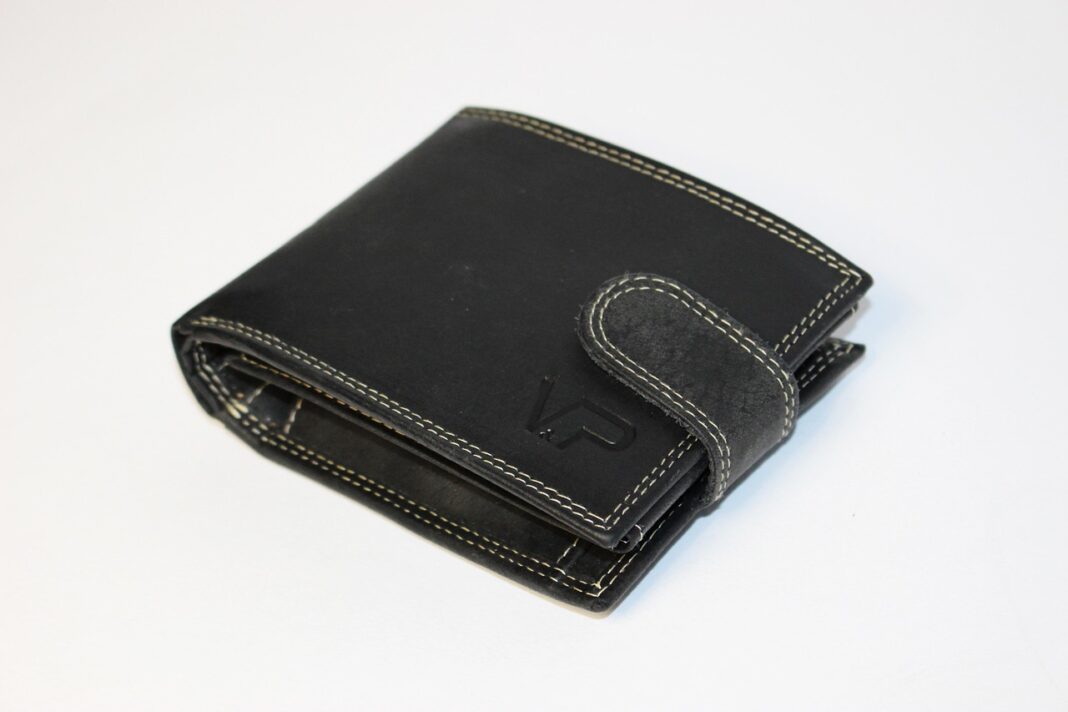

In a world increasingly focused on conscious consumption and personal expression, secondhand shopping has emerged as a powerful movement, transcending its former image to become a celebrated lifestyle choice. It’s more than just finding a bargain; it’s about embracing sustainability, curating a unique style, and contributing to a healthier planet. From vintage enthusiasts hunting for one-of-a-kind treasures to eco-conscious consumers striving for a lower carbon footprint, the allure of pre-owned items offers a compelling alternative to conventional retail. Dive into the thriving world of secondhand finds and discover why smart shoppers are turning to thrifting, consignment, and online marketplaces to redefine their wardrobes, homes, and values.
The Rise of Secondhand Shopping: More Than Just a Trend
The landscape of retail is shifting, and secondhand shopping, or “thrifting,” is at the forefront of this transformation. What was once seen as a niche activity for budget-conscious individuals is now a mainstream phenomenon, driven by a confluence of economic, environmental, and stylistic factors.
Why Secondhand is Gaining Momentum
Consumers today are savvier and more ethically aware than ever before. This evolving mindset is a primary driver behind the surge in popularity for pre-owned goods.
- Economic Prudence: With rising living costs, buying secondhand offers a significant financial advantage, allowing shoppers to acquire quality items at a fraction of their original price.
- Sustainability Consciousness: A growing awareness of fast fashion’s environmental impact and the global waste crisis is pushing consumers towards more sustainable purchasing habits.
- Quest for Uniqueness: Modern shoppers desire individuality. Secondhand items, especially vintage pieces, provide a unique charm and story that mass-produced goods cannot replicate.
- Accessibility: The proliferation of online platforms and specialized apps has made secondhand shopping more accessible and convenient than ever before.
The Environmental Imperative
Choosing secondhand items is a direct action against the damaging cycle of overproduction and waste, significantly contributing to a more sustainable future.
- Reducing Landfill Waste: Every item purchased secondhand is one less item contributing to overflowing landfills, where textiles, electronics, and furniture can take hundreds of years to decompose.
- Lowering Carbon Footprint: Manufacturing new products consumes vast amounts of energy, raw materials, and water. By extending the life cycle of existing items, we reduce the demand for new production, thereby lowering carbon emissions.
- Conserving Resources: The production of a single cotton t-shirt, for example, can require thousands of liters of water. Opting for a pre-owned garment conserves these precious resources and minimizes pollution.
Actionable Takeaway: Recognize that every secondhand purchase is an investment in your wallet and the planet, aligning your values with your shopping habits.
Unlocking Value: Budget-Friendly Finds and Smart Savings
One of the most immediate and appealing benefits of secondhand shopping is the incredible value it offers. It’s a strategic way to manage your budget without compromising on quality or style, making luxury and necessity alike more affordable.
Maximizing Your Budget with Pre-Owned Items
The financial advantages of buying secondhand are substantial, enabling you to stretch your money further and acquire items you might not otherwise consider.
- Significant Price Reduction: Expect to pay anywhere from 50% to 90% less for pre-owned items compared to their brand-new counterparts. This applies to everything from designer clothing and accessories to furniture and electronics.
- Access to High-Quality Goods: Many secondhand items are sold in excellent condition, often barely used. This means you can acquire durable, well-made products that were built to last, often outperforming cheaper new alternatives.
- Investment in Durable Goods: Historically, many items were made with higher quality materials and craftsmanship. Thrifting can be a gateway to these more robust, long-lasting pieces that stand the test of time.
Practical Example: Instead of spending $100 on a new, fast-fashion blazer that might only last a season, you could find a vintage wool blazer from a high-end brand for $25-$40 that offers superior quality and timeless style for years to come.
Smart Shopping Strategies for Value Seekers
To truly master the art of budget-friendly secondhand shopping, a few strategies can enhance your success and ensure you’re getting the best bang for your buck.
- Prioritize Your Needs: Go in with a list, but remain open-minded. Knowing what you’re generally looking for prevents impulse buys, but allowing for unexpected treasures is part of the fun.
- Thorough Inspection is Key: Always check items for wear and tear, stains, missing parts, or functionality issues. For clothing, examine seams, zippers, and buttons. For electronics, if possible, test them.
- Understand Resale Value: Familiarize yourself with brands that hold their value well. This can help you identify a truly great deal or even items you could potentially re-sell later.
- Negotiate When Appropriate: In settings like flea markets, garage sales, or local online marketplaces, don’t be afraid to politely negotiate the price, especially if buying multiple items.
Actionable Takeaway: Approach secondhand shopping with a strategic mindset, focusing on quality, condition, and actual value over perceived savings alone.
A Treasure Trove of Unique Style and Vintage Charm
Beyond the financial and environmental benefits, secondhand shopping offers an unparalleled opportunity for personal expression. It’s the ultimate playground for those who seek to distinguish themselves through unique fashion and decor, moving away from mass-produced trends.
Crafting a Distinctive Wardrobe
Secondhand clothing allows you to tell a story with your style, creating an aesthetic that is truly your own and reflects your personality.
- Escaping Fast Fashion Cycles: By choosing pre-owned, you opt out of the relentless cycle of ever-changing trends, instead building a wardrobe of timeless pieces that reflect your personal taste.
- Finding Statement Pieces: Thrift stores and vintage boutiques are brimming with one-of-a-kind garments, accessories, and shoes that can become the focal point of an outfit, adding character and flair.
- Mixing Eras and Styles: The beauty of secondhand is the ability to effortlessly blend vintage finds with modern pieces, creating a rich, layered look that feels authentic and curated.
- Uncovering Designer Gems: It’s common to stumble upon high-end designer items at surprisingly low prices, allowing you to incorporate luxury into your wardrobe without the hefty price tag.
Practical Example: Pair a vintage silk scarf with a modern denim jacket, or an antique brooch on a contemporary blazer, to infuse classic elegance into everyday attire. A unique, decades-old handbag can instantly elevate any outfit.
Beyond Fashion: Decor and Collectibles
The allure of unique finds extends far beyond clothing, offering endless possibilities to personalize your living spaces and hobbies.
- Unique Home Decor: Discover charming furniture pieces, antique lamps, artisanal ceramics, and framed art that can transform your home into a reflection of your personality, avoiding the generic showroom look.
- Vintage Electronics and Media: For music lovers, finding classic vinyl records or vintage stereo equipment can be a rewarding pursuit. Bookworms can build impressive libraries with rare editions or beloved classics.
- Collectibles and Nostalgia: Whether it’s retro toys, antique kitchenware, or rare stamps, secondhand markets are a goldmine for collectors looking to expand their passions and revisit nostalgic memories.
Actionable Takeaway: Embrace the thrill of the hunt and let your creativity flourish by integrating secondhand finds into all aspects of your personal style and home decor.
Navigating the Secondhand Landscape: Where to Shop and What to Look For
The world of secondhand shopping is vast and varied, offering numerous avenues to discover your next great find. Knowing where to look and what strategies to employ can significantly enhance your thrifting success.
Your Go-To Secondhand Destinations
The accessibility of secondhand items has grown exponentially, with options ranging from brick-and-mortar stores to sprawling online marketplaces.
- Physical Stores:
- Thrift Stores (e.g., Goodwill, Salvation Army): Best for general household items, clothing, and books, often with very low prices and high turnover.
- Consignment Shops: Typically more curated, offering higher-quality clothing, accessories, and sometimes furniture, with a focus on designer or upscale brands.
- Vintage Boutiques: Specializing in specific eras or styles, offering unique and often pricier items.
- Charity Shops: Similar to thrift stores, but often smaller and run by local charities, offering a more community-focused experience.
- Flea Markets & Garage Sales: Excellent for unique, often quirky finds, and a great place to practice your negotiation skills.
- Estate Sales: Ideal for furniture, antiques, kitchenware, and often high-quality items from an entire household.
- Online Platforms:
- Fashion-Specific (e.g., Poshmark, Depop, ThredUp, Vinted): Great for clothing, shoes, and accessories, often categorized by brand, size, and style.
- General Marketplaces (e.g., eBay, Facebook Marketplace): Good for everything from electronics and furniture to collectibles and clothing, often connecting local buyers and sellers.
- Specialty Sites (e.g., The RealReal for luxury, Chairish for furniture): Cater to specific niches, offering authenticated luxury or vintage home goods.
Essential Tips for Successful Thrifting
To make the most of your secondhand shopping adventures, a few practical tips can turn a daunting task into a rewarding experience.
- Visit Often and Be Patient: Inventory changes constantly. Regular visits increase your chances of finding something amazing. Thrifting requires patience; the best finds often come when you least expect them.
- Inspect Items Meticulously: Before purchasing, thoroughly check for stains, tears, missing buttons, broken zippers, odors, and any signs of damage. For electronics, try to test them.
- Know Your Measurements: Sizing can vary wildly, especially with vintage clothing. Bring a measuring tape or know your precise body measurements.
- Consider Alterations: A great piece might just need a minor repair or alteration to fit perfectly. Factor in the potential cost of tailoring when evaluating a garment.
- Always Clean Before Use: Assume all secondhand items, especially clothing, need a thorough cleaning before use.
- Look for Quality Brands: Brands known for durability and good craftsmanship are excellent finds, as they are likely to withstand further use.
Actionable Takeaway: Diversify your shopping locations and adopt a meticulous approach to inspection to consistently find high-quality, valuable secondhand items.
Contributing to a Circular Economy: The Sustainable Choice
Secondhand shopping is a tangible way for individuals to participate in the circular economy, a model designed to eliminate waste and keep products and materials in use for as long as possible. Your choices have a direct impact far beyond your personal consumption.
How Your Purchases Make a Difference
Every time you choose a pre-owned item, you’re actively supporting a system that benefits the environment and communities.
- Extending Product Lifespan: Buying secondhand gives an item a “second life,” preventing it from ending up in a landfill prematurely. This extends its utility and minimizes waste.
- Reducing Demand for New Production: The more people choose secondhand, the less demand there is for new manufacturing, which in turn reduces the associated environmental impacts like pollution, resource depletion, and carbon emissions.
- Supporting Local Charities: Many thrift stores are run by charitable organizations. Your purchases often contribute directly to funding community programs and services, making your shopping dollars work harder for social good.
Statistic (General): It’s estimated that buying a used item can reduce its carbon footprint by over 80% compared to buying new.
Beyond Buying: Donating and Reselling
Your role in the circular economy doesn’t end with purchasing. Actively participating in the “give back” cycle is equally important.
- Declutter Responsibly: Instead of throwing away usable items, donate them to thrift stores, charity shops, or community initiatives. This gives them a chance at a new life and keeps them out of landfills.
- Give Items a Second Life: Before donating, consider if an item could be upcycled, repaired, or repurposed for a different use, further extending its lifecycle.
- Earning Extra Income Through Reselling: Utilize online platforms to sell items you no longer need. This not only declutters your home but also puts money back in your pocket and gives your items a direct path to a new owner who values them.
Actionable Takeaway: Become a full participant in the circular economy by not only buying secondhand but also responsibly donating, repurposing, and reselling your own pre-owned items.
Conclusion
Secondhand shopping is far more than a fleeting trend; it’s a powerful movement toward a more sustainable, economical, and uniquely styled future. By choosing pre-owned, you unlock incredible value, discover one-of-a-kind treasures, and make a tangible difference in reducing waste and conserving our planet’s precious resources. It’s a conscious choice that benefits your wallet, expresses your individuality, and supports the broader health of our global community.
Whether you’re a seasoned thrifter or just beginning your journey, the world of secondhand goods offers endless possibilities. So, next time you’re looking for something new—or something old with a new story to tell—consider the rich possibilities that await in thrift stores, consignment shops, and online marketplaces. Embrace the hunt, champion sustainability, and redefine your style, one incredible secondhand find at a time.

