
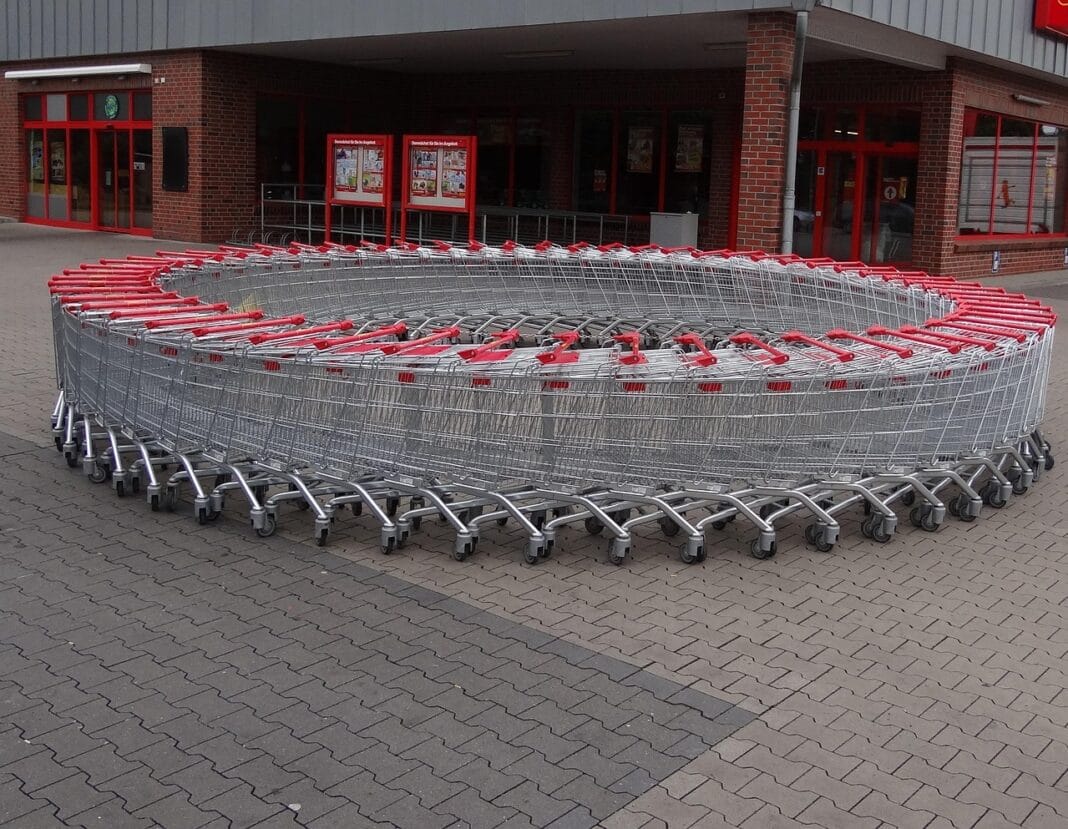

Imagine the scenario: a potential customer browses your online store, adds items to their cart, and then…vanishes. This is the dreaded abandoned cart, a common challenge for e-commerce businesses. But what if I told you that these abandoned carts aren’t lost causes? With the right strategies, you can win back a significant portion of these customers and dramatically increase your sales. This post will explore effective techniques to reclaim those “lost” sales and turn abandoned carts into revenue.
Understanding the Abandoned Cart Phenomenon
What is an Abandoned Cart?
An abandoned cart is when a shopper adds items to their online shopping cart but exits the website without completing the purchase. This is a widespread issue, with industry averages showing cart abandonment rates as high as 70%. Understanding why this happens is the first step towards addressing it.
Why Do Carts Get Abandoned?
Several factors contribute to cart abandonment. Here are some common reasons:
- Unexpected Shipping Costs: High or hidden shipping fees are a major deterrent. Customers often expect transparency in pricing.
- Complicated Checkout Process: A lengthy or confusing checkout can lead to frustration and abandonment.
- Lack of Trust: Concerns about security or a lack of trust in the website can prevent completion of the purchase.
- Forced Account Creation: Requiring users to create an account before purchasing can be off-putting. Guest checkout options are often preferred.
- Payment Security Concerns: Not displaying trusted payment badges can deter customers from completing the transaction.
- Website Issues: Slow loading times or website crashes can disrupt the shopping experience.
- Simply Browsing: Some users add items to their cart to calculate the total cost, intending to purchase later, or not at all.
The Impact of Abandoned Carts on Your Business
Ignoring abandoned carts can significantly impact your revenue and profitability. High abandonment rates translate to:
- Lost Sales: Obvious reduction in potential sales revenue.
- Increased Marketing Costs: Higher customer acquisition costs without the corresponding return.
- Reduced Conversion Rates: Overall lower efficiency in turning website visitors into paying customers.
- Damaged Customer Relationship: Leaving customers without follow-up can leave a negative impression.
Implementing an Effective Abandoned Cart Recovery Strategy
The Power of Abandoned Cart Emails
Sending well-timed and personalized emails is the most effective way to recover abandoned carts. These emails act as reminders and incentives to encourage customers to complete their purchases.
- Timing is Key: The first email should be sent within 1-2 hours of abandonment. A second email can follow within 24 hours, and a third a few days later if needed.
- Personalization is Crucial: Use the customer’s name, the products they left in their cart, and personalized messaging.
- Clear Call to Action: Use prominent “Complete Your Purchase” buttons that link directly to their pre-populated cart.
- Example: Subject line: “Did you forget something? Your items are waiting!” Body: “Hi [Customer Name], We noticed you left some items in your cart. Click here to complete your purchase!”
Offering Incentives and Discounts
Sometimes, a little extra encouragement is needed to seal the deal. Consider offering incentives in your abandoned cart emails:
- Free Shipping: One of the most appealing offers, especially if shipping costs were a factor in abandonment.
- Discounts: A percentage or dollar amount discount on the total order can create a sense of urgency.
- Limited-Time Offer: Create a sense of urgency by offering the incentive for a limited time.
- Example: “Complete your purchase within 24 hours and get 10% off!” or “Free shipping on your order – don’t miss out!”
Optimizing Your Checkout Process
A smooth and user-friendly checkout process is essential to minimize abandonment.
- Simplify the Steps: Reduce the number of required steps in the checkout process.
- Offer Guest Checkout: Allow users to purchase without creating an account.
- Clearly Display Shipping Costs: Provide transparent shipping costs upfront, not just at the final step.
- Multiple Payment Options: Offer a variety of payment methods to cater to different customer preferences (credit cards, PayPal, Apple Pay, etc.).
- Security Badges: Display security badges prominently to reassure customers about payment security.
Beyond Emails: Additional Strategies for Cart Recovery
On-Site Retargeting
Even before customers abandon their carts, you can use on-site retargeting strategies to encourage them to complete their purchase.
- Exit-Intent Pop-Ups: Display a pop-up when a user is about to leave the checkout page, offering a last-minute incentive or reminding them about the items in their cart.
- Progress Indicators: Use a progress bar to show users how far along they are in the checkout process.
- Live Chat Support: Offer live chat support to address any questions or concerns customers may have during checkout.
Retargeting Ads
Use retargeting ads on platforms like Google Ads and social media to remind customers about the items they left in their cart.
- Dynamic Product Ads: Display ads that feature the specific products the customer added to their cart.
- Compelling Visuals: Use high-quality images and engaging ad copy to capture attention.
- Audience Segmentation: Target your ads to users who have specifically abandoned carts.
Analyzing and Optimizing Your Results
The key to a successful abandoned cart recovery strategy is continuous analysis and optimization.
- Track Key Metrics: Monitor your abandoned cart rate, recovery rate, and the ROI of your recovery efforts.
- A/B Testing: Test different email subject lines, incentives, and checkout processes to identify what works best for your audience.
- Gather Customer Feedback: Ask customers who abandoned their carts why they didn’t complete their purchase. This feedback can provide valuable insights for improvement.
Conclusion
Recovering abandoned carts is a crucial aspect of optimizing your e-commerce conversion rates and maximizing revenue. By understanding the reasons behind cart abandonment and implementing the strategies outlined in this post, you can effectively reclaim lost sales and build stronger customer relationships. Remember to personalize your communication, offer compelling incentives, and continually optimize your checkout process for a seamless customer experience. With a proactive and data-driven approach, you can turn abandoned carts from a challenge into a significant revenue opportunity.

