
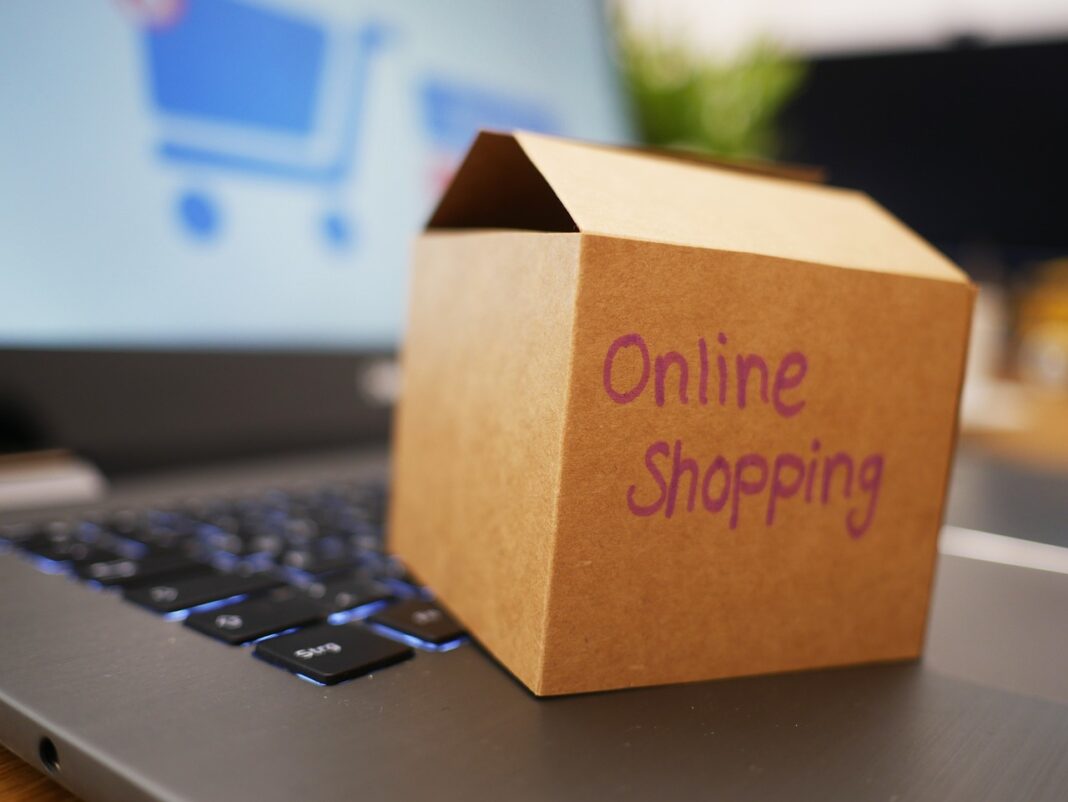

Do you ever look around your home and feel overwhelmed by the sheer volume of things you own, many of which are gathering dust and serving no purpose? From forgotten gadgets to outgrown clothing and unused gifts, these idle items aren’t just taking up valuable space; they represent untapped potential. Imagine transforming that clutter into extra cash, freeing up your living environment, and contributing to a more sustainable world. Selling your unused items isn’t just about decluttering; it’s a savvy strategy for financial gain, environmental responsibility, and creating a more organized, harmonious home. Let’s explore how you can unlock the hidden value in your possessions and embark on a rewarding journey of resale.
Why Sell Your Unused Items? The Benefits Beyond Decluttering
Selling your unwanted items offers a myriad of advantages that extend far beyond simply making space. It’s a holistic approach to improving your financial health, environmental footprint, and personal well-being.
Financial Gain: Unlocking Hidden Value
One of the most immediate and appealing benefits of selling unused items is the financial return. That old smartphone, designer bag you rarely use, or even a collection of paperback books can translate directly into cash.
- Boost Your Savings: The money earned can go directly into your savings account, helping you reach financial goals faster.
- Fund New Purchases: Use the proceeds to invest in something you truly need or desire, like a new appliance, a vacation, or a course.
- Clear Debt: Even small amounts accumulated can help chip away at credit card debt or other outstanding bills.
- Practical Example: A family sold an old gaming console for $150, a few outgrown children’s bikes for $80 each, and a collection of vintage records for $100, accumulating over $400 in just a few weeks.
Environmental Impact: Embrace Sustainable Living
In an era where sustainability is paramount, reselling items plays a crucial role in reducing waste and promoting a circular economy. Every item sold second-hand is one less item headed for a landfill.
- Reduce Waste: Extend the lifespan of products, diverting them from landfills and minimizing their environmental impact.
- Conserve Resources: By purchasing pre-owned items, consumers reduce the demand for new production, thereby conserving raw materials, energy, and water.
- Support a Circular Economy: Participate in a system where goods are reused, repaired, and recycled, rather than discarded after a single use.
- Statistic: The global secondhand market is projected to reach $77 billion by 2025, significantly outpacing traditional retail growth, highlighting a strong consumer shift towards sustainability.
Psychological Benefits: Clarity and Calm
A cluttered environment often leads to a cluttered mind. Decluttering and selling provides a sense of accomplishment and mental lightness.
- Reduced Stress: Less clutter means less visual noise and fewer decisions to make about your belongings.
- Increased Focus: A tidy space can lead to improved concentration and productivity.
- Sense of Control: Taking charge of your possessions empowers you and fosters a feeling of accomplishment.
- Actionable Takeaway: Start small. Pick one drawer or shelf, clear out items you no longer need, and experience the immediate feeling of relief and control.
Identifying Your Hidden Treasures: What to Sell
The first step to successfully sell unused items is knowing what items hold value. You might be surprised by what people are willing to buy second-hand.
Clothing & Accessories: Fashion’s Second Life
Your wardrobe is often a goldmine of sellable items, especially if you have quality pieces, designer labels, or items in excellent condition.
- Designer & Brand-Name Apparel: High-end brands often retain significant resale value (e.g., Lululemon, Zara, Coach, Michael Kors).
- Vintage & Unique Pieces: Fashion trends cycle, and unique vintage items are always in demand.
- Seasonal Items: Winter coats, formal wear, or even specialty costumes can sell well at the right time.
- Practical Example: That slightly-worn designer handbag you haven’t carried in years could fetch $100-$300 on platforms like Poshmark or The RealReal. A bundle of gently used kids’ clothes can sell quickly on Facebook Marketplace.
Electronics & Gadgets: Upgrading Made Easier
With rapid technological advancements, many people upgrade their electronics regularly, leaving behind perfectly functional devices that others would gladly purchase.
- Smartphones & Tablets: Even older models retain value, especially if they are unlocked and in good condition.
- Gaming Consoles & Accessories: Consoles, controllers, and popular games are always in demand.
- Laptops & Computers: Functional laptops, even if a few years old, are sought after by students or those with basic computing needs.
- Actionable Takeaway: Always wipe your devices clean of personal data before selling. Factory reset smartphones and tablets, and securely erase hard drives on computers.
Home Goods & Furniture: Decorating on a Budget
Furniture and home decor items are expensive new, making the second-hand market attractive for budget-conscious buyers or those seeking unique pieces.
- Small Furniture: Nightstands, coffee tables, lamps, and decorative chairs are popular.
- Decorative Items: Vases, art prints, unique lamps, and mirrors.
- Kitchenware: Barely used appliances (blenders, toasters), quality pots, pans, and dish sets.
- Practical Example: A well-maintained dining table set could sell for $200-$500, avoiding the hassle and expense of moving it yourself.
Collectibles & Hobbies: Niche Markets, High Demand
From vintage toys to rare books, items for specific hobbies or collections can command premium prices in their niche markets.
- Books & Comics: First editions, complete series, or rare comics.
- Vinyl Records: Sought after by audiophiles and collectors.
- Sports Memorabilia: Signed items, vintage jerseys, or collectible cards.
- Actionable Takeaway: For collectibles, research their current market value thoroughly. Niche forums and specialized marketplaces are your best friends.
Choosing the Right Selling Platform
The success of selling your unused items often hinges on selecting the best platform for your specific goods and preferences. Each has its own audience, fee structure, and selling process.
Online Marketplaces: Reach a Wider Audience
These platforms offer broad visibility and convenience, connecting you with buyers across regions or even globally.
- eBay: Ideal for a vast range of items, from collectibles and electronics to clothing and home goods. Offers auction and “buy it now” options. Tip: Be mindful of shipping costs and seller fees.
- Poshmark / Depop / Vinted: Specializes in fashion, accessories, and beauty products. Very community-driven with social features. Tip: Great for branded clothing; commission fees apply.
- Facebook Marketplace: Excellent for local sales, especially for larger items like furniture. Free to list. Tip: Arrange safe, public meeting spots or discuss pickup arrangements clearly.
- Mercari: “The selling app” for nearly anything, often simpler to use than eBay for everyday items.
- Practical Example: Sell a vintage camera on eBay for its broad reach to collectors, or a bundle of kids’ toys on Facebook Marketplace for easy local pickup.
Local Sales & Consignment: Community & Convenience
Sometimes, selling locally is the most straightforward option, especially for bulky items or when you prefer face-to-face transactions.
- Garage Sales / Yard Sales: Perfect for selling a large volume of miscellaneous items quickly and with minimal effort per item. Tip: Advertise well with clear signage and specific item mentions.
- Consignment Shops: Ideal for higher-end clothing, accessories, or furniture. The shop sells your item for you and takes a percentage. Tip: Research shops carefully; they often have strict quality and brand requirements.
- Local Buy/Sell/Trade Groups (Facebook / Nextdoor): Hyper-local platforms allow you to sell within your community, often leading to quicker sales and pickups.
- Actionable Takeaway: For large items like furniture, prioritize local selling platforms to avoid costly and complicated shipping.
Niche Platforms: Specialized Audiences
For specific types of items, niche platforms can offer better prices and connect you with passionate buyers.
- Reverb: For musical instruments and gear.
- The RealReal / Vestiaire Collective: For luxury designer items.
- Goat / StockX: For sneakers and streetwear.
- Practical Example: Selling a rare guitar amplifier on Reverb ensures you’re reaching dedicated musicians who understand its value.
Mastering the Art of Listing: Tips for Quick Sales
Once you’ve identified your items and chosen a platform, presenting your items effectively is crucial for attracting buyers and securing a sale.
High-Quality Photos: First Impressions Matter
Good photos are the single most important factor in selling online. They are your virtual storefront.
- Bright, Natural Light: Shoot in natural daylight, avoid harsh shadows or flash.
- Multiple Angles: Show the item from all sides, including any tags, labels, or unique features.
- Highlight Details & Flaws: Don’t hide imperfections; photograph them clearly to build trust.
- Clean Background: Use a simple, uncluttered background to keep the focus on the item.
- Practical Example: When selling a dress, include photos of it on a hanger, a mannequin (if available), and close-ups of any embroidery or fabric details.
Compelling Descriptions: Tell a Story
A detailed and honest description answers potential buyer questions and helps your item stand out.
- Be Specific: Include brand, model, size, color, material, dimensions, and any unique features.
- Honest Condition Report: Clearly state the item’s condition (new with tags, like new, good, fair, etc.) and mention any flaws, wear, or damage.
- Selling Points: Why is this item great? What problems does it solve? (e.g., “This sturdy desk is perfect for small apartments” or “These noise-canceling headphones are ideal for commuters”).
- Keywords: Incorporate relevant keywords that buyers might use to search for your item (e.g., “vintage denim jacket,” “Apple iPhone 12 Pro Max unlocked”).
Competitive Pricing: Find the Sweet Spot
Pricing your item correctly is key to attracting buyers without underselling yourself.
- Research Similar Items: Look at what similar items have sold for recently on your chosen platform.
- Consider Condition: Adjust your price based on the item’s wear and tear.
- Factor in Fees: Account for any platform commissions or shipping costs when setting your price.
- Be Open to Offers: Especially on platforms with negotiation features, being flexible can lead to quicker sales.
- Actionable Takeaway: Price slightly above what you expect to get if you’re open to negotiation, but always stay within a reasonable market range.
Excellent Communication & Safe Transactions: Build Trust
Responsive communication and safe practices lead to positive selling experiences and repeat buyers.
- Respond Promptly: Answer buyer questions quickly and politely.
- Be Honest: Always be truthful about the item’s condition and history.
- Meet Safely (Local Sales): Choose public places, bring a friend, or meet during daylight hours. Inform someone of your plans.
- Secure Packaging (Shipping): Package items carefully to prevent damage during transit.
Sustainable Selling: An Eco-Conscious Approach
Beyond the personal benefits, selling your unused items is a powerful act of environmental stewardship. It’s a tangible way to participate in a more responsible consumption model.
Reducing Waste and Landfill Burden
Every item you sell second-hand directly contributes to diverting waste from landfills. This has a direct positive impact on our planet.
- Extend Product Lifespans: Gives products a second, third, or even fourth life, reducing the need for new manufacturing.
- Minimize Pollution: Less manufacturing means less energy consumption, fewer raw materials extracted, and reduced pollution from factories and transportation.
- Practical Example: Instead of tossing out an old, but still functional, printer, selling it on Facebook Marketplace means one less piece of e-waste in a landfill and one less new printer manufactured.
Fostering a Circular Economy
Your act of selling is a vital part of the burgeoning circular economy, a system designed to eliminate waste and the continual use of resources.
- From Linear to Circular: Moves away from the traditional “take-make-dispose” linear model towards one where resources are kept in use for as long as possible.
- Community Impact: Promotes sharing, repairing, and reusing within communities, strengthening local economies and resourcefulness.
- Actionable Takeaway: Consider the environmental impact of your purchases. By selling what you no longer need, you’re directly contributing to a healthier planet.
Conclusion
Selling your unused items is far more than just a spring-cleaning chore; it’s a dynamic strategy for financial empowerment, environmental responsibility, and personal well-being. By embracing the resale market, you transform forgotten clutter into tangible assets, reduce your environmental footprint, and contribute to a more sustainable, circular economy. Whether it’s an old smartphone, a cherished piece of furniture, or a wardrobe full of unworn clothes, there’s value waiting to be unlocked. Take that first step today—identify your hidden treasures, choose the right platform, list them with care, and enjoy the rewarding experience of decluttering your space, padding your wallet, and making a positive impact on the planet.

