
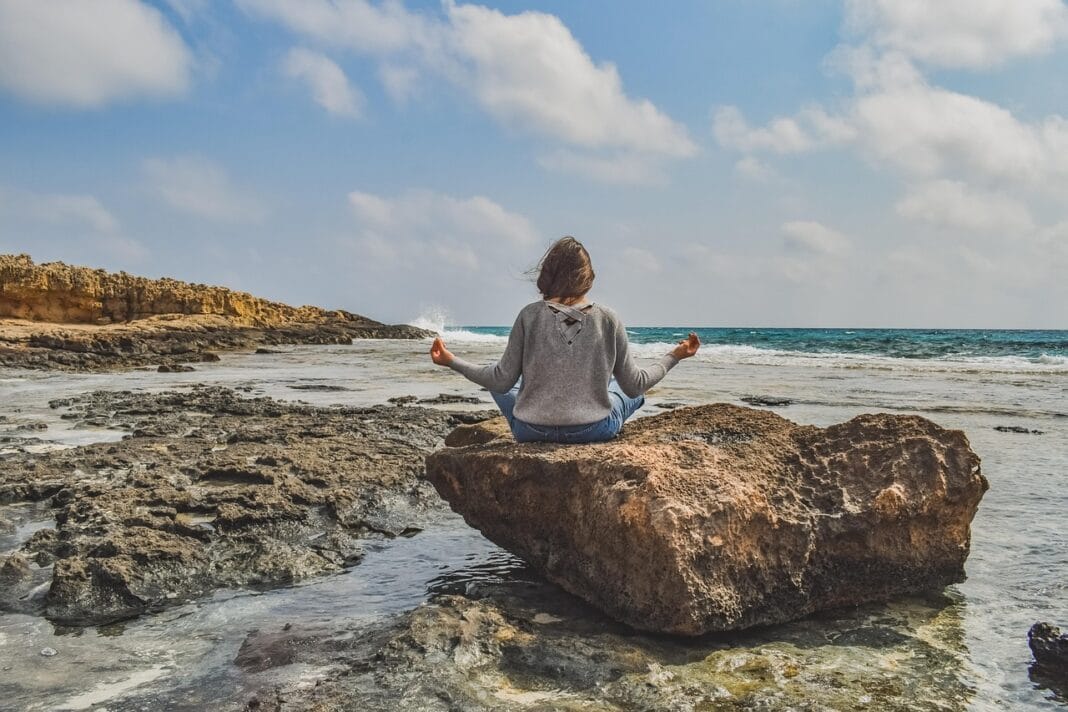

Stretching, often overlooked amidst the flurry of cardio and strength training, is a cornerstone of physical health and well-being. It’s not just about touching your toes; it’s about improving flexibility, reducing injury risk, enhancing performance, and even relieving stress. This comprehensive guide will delve into the world of stretching exercises, providing you with the knowledge and tools to incorporate them effectively into your routine.
Understanding the Benefits of Stretching
Improved Flexibility and Range of Motion
Flexibility refers to the range of motion in your joints. Stretching regularly helps to lengthen muscles, tendons, and ligaments, allowing for a greater range of motion. This, in turn, makes everyday activities like reaching for objects on high shelves or bending down to tie your shoes easier and less prone to injury.
- Increased joint mobility: Stretching can reduce stiffness in joints, making them more fluid and responsive.
- Enhanced posture: Tight muscles can pull your body out of alignment, leading to poor posture. Stretching can help to correct these imbalances.
- Better athletic performance: Increased flexibility allows for more efficient movement and power generation in sports.
Reduced Risk of Injury
Tight muscles are more susceptible to strains, sprains, and other injuries. Stretching prepares your muscles for physical activity by increasing blood flow and improving elasticity. This makes them more resilient to stress and impact.
- Muscle strains and tears: Stretching can prevent these common injuries by making muscles more pliable.
- Joint injuries: By increasing range of motion, stretching can reduce the stress on joints during activity.
- Back pain: Tight hamstrings and hip flexors are often contributors to back pain. Stretching these muscles can provide relief.
Enhanced Circulation
Stretching increases blood flow to muscles, which delivers vital nutrients and oxygen. This improved circulation helps to reduce muscle soreness and fatigue, and it can also promote faster recovery after exercise.
- Increased oxygen delivery: Stretching improves the delivery of oxygen to muscles, enhancing their function.
- Reduced muscle soreness: Improved circulation helps to flush out metabolic waste products that contribute to soreness.
- Faster recovery: Stretching can speed up the recovery process after intense workouts.
Stress Relief and Relaxation
Stretching can have a profound impact on your mental and emotional well-being. It can help to release tension in muscles, which in turn can reduce stress and promote relaxation. Many stretching techniques, such as yoga and Pilates, incorporate mindfulness practices that further enhance these benefits.
- Reduced muscle tension: Stretching releases physical tension that can contribute to feelings of stress.
- Improved mood: Stretching can release endorphins, which have mood-boosting effects.
- Increased body awareness: Stretching helps you to become more aware of your body and its sensations, promoting mindfulness.
Types of Stretching Exercises
Static Stretching
Static stretching involves holding a stretch in a comfortable position for a period of time, typically 15-30 seconds. This is the most common type of stretching and is often performed after a workout to cool down muscles.
- Hamstring stretch: Sit on the floor with your legs extended. Reach towards your toes, keeping your back straight.
- Quadriceps stretch: Stand tall and grab your foot behind you, gently pulling it towards your buttock.
- Calf stretch: Stand facing a wall, place one foot slightly behind the other, and lean forward until you feel a stretch in your calf.
Dynamic Stretching
Dynamic stretching involves moving through a range of motion to warm up muscles and prepare them for activity. These stretches are controlled and deliberate, and they gradually increase in intensity.
- Arm circles: Slowly rotate your arms forward and backward in circles.
- Leg swings: Swing your leg forward and backward, gradually increasing the range of motion.
- Torso twists: Twist your torso from side to side, keeping your feet planted on the ground.
Ballistic Stretching
Ballistic stretching involves bouncing or jerking movements to force a muscle beyond its normal range of motion. This type of stretching is generally not recommended for beginners, as it can increase the risk of injury.
- Important Note: Due to the higher risk of injury, consult with a professional before engaging in ballistic stretching.
PNF Stretching (Proprioceptive Neuromuscular Facilitation)
PNF stretching involves contracting the muscle being stretched, followed by a period of relaxation and then a deeper stretch. This technique is often used by athletes to improve flexibility and range of motion.
- Contract-relax: Stretch a muscle, then contract it against resistance for a few seconds, followed by relaxation and a deeper stretch.
- Hold-relax: Similar to contract-relax, but involves holding the contraction instead of moving against resistance.
How to Stretch Properly
Warm-Up Before Stretching
It’s crucial to warm up your muscles before stretching to increase blood flow and reduce the risk of injury. A light cardio activity, such as jogging or jumping jacks, for 5-10 minutes is a good way to prepare your body for stretching.
- Light cardio: Jogging, jumping jacks, or brisk walking.
- Dynamic movements: Arm circles, leg swings, torso twists.
Proper Technique and Posture
Pay attention to your posture and technique when stretching. Avoid bouncing or jerking movements, and focus on maintaining a slow and controlled stretch. Breathe deeply and relax your muscles as you stretch.
- Avoid bouncing: Bouncing can cause muscle tears.
- Maintain good posture: Keep your back straight and your core engaged.
- Breathe deeply: Focus on your breath to relax your muscles.
Listen to Your Body
Stretching should feel comfortable, but not painful. If you experience any sharp or intense pain, stop stretching immediately. It’s important to listen to your body and not push yourself too hard, especially when you are just starting out.
- Comfortable tension: You should feel a gentle pull in the muscle, but not sharp pain.
- Gradual progression: Increase the intensity of your stretches gradually over time.
- Rest when needed: Give your muscles time to recover between stretching sessions.
Incorporating Stretching into Your Routine
Frequency and Duration
Aim to stretch at least 2-3 times per week, holding each stretch for 15-30 seconds. You can also incorporate stretching into your daily routine, especially after workouts or other physical activities.
- Regularity: Consistency is key for improving flexibility.
- Post-workout stretching: Helps to cool down muscles and prevent soreness.
- Daily stretching: Can improve overall well-being and reduce stress.
Sample Stretching Routine
Here’s a sample stretching routine that you can use as a starting point:
Stretching for Specific Activities
Tailor your stretching routine to the specific activities you participate in. For example, runners should focus on stretching their hamstrings, calves, and hip flexors, while swimmers should focus on stretching their shoulders, back, and chest.
- Runners: Hamstrings, calves, hip flexors.
- Swimmers: Shoulders, back, chest.
- Cyclists: Hamstrings, quads, hip flexors.
Conclusion
Stretching is an essential component of a well-rounded fitness routine. By understanding the benefits, types, and techniques of stretching, you can effectively improve your flexibility, reduce your risk of injury, enhance your circulation, and relieve stress. Remember to warm up before stretching, listen to your body, and incorporate stretching into your routine regularly for optimal results. Embrace the power of stretching, and unlock a healthier, more flexible, and pain-free you!

